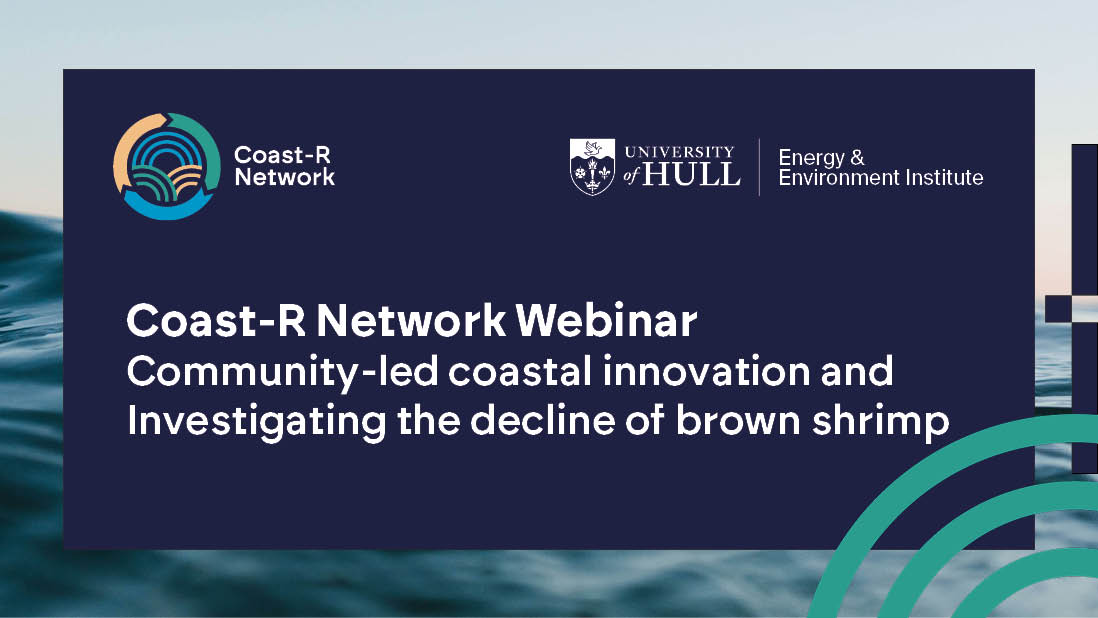
Noon-1.30pm, Wed 13 January 2027, online
Speakers: Dr Louise Hunt, Fishfingers and Fresh Ideas, University of Plymouth and Dr Jajati Mandal, SEAS: Shrimp-Environment Assessment Study, University of Salford
Join us for the second in a series of webinars about our Small Grants Fund projects, sharing learning and impacts from the first round of applicants.
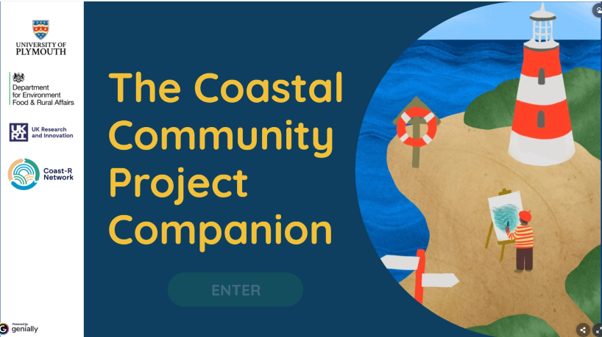
Dr Louise Hunt: Introducing the Coastal Community Project Companion: A Practical Guide to Community-Led Coastal Innovation around Fish and Seafood
The Coastal Community Project Companion is a new, visually accessible resource developed through the Coast-R Network Small Grants Fund to share the learning and approaches behind the Plymouth Fish Finger initiative. Created through collaboration between researchers, Community Food Researchers, fishing partners, schools, food organisations and three coastal communities beyond Plymouth, it brings together practical insights in an engaging and easy-to-use format. This webinar will introduce the resource through a guided tour, with opportunities to explore its key features and ask questions.
Designed to support learning, reflection and action, the Companion highlights the relationships, methods and collaborative approaches that can help turn community aspirations into practical change. The resource is valuable not because it is about fish fingers, but because it shows how communities, researchers, fishers, schools and local organisations can co-create food system change. That makes it relevant for coastal communities far beyond Plymouth and for issues far beyond seafood.
Dr Jajati Mandal: Investigating the decline of brown shrimp in Morecambe Bay: contaminant and sea temperature evidence from the SEAS project
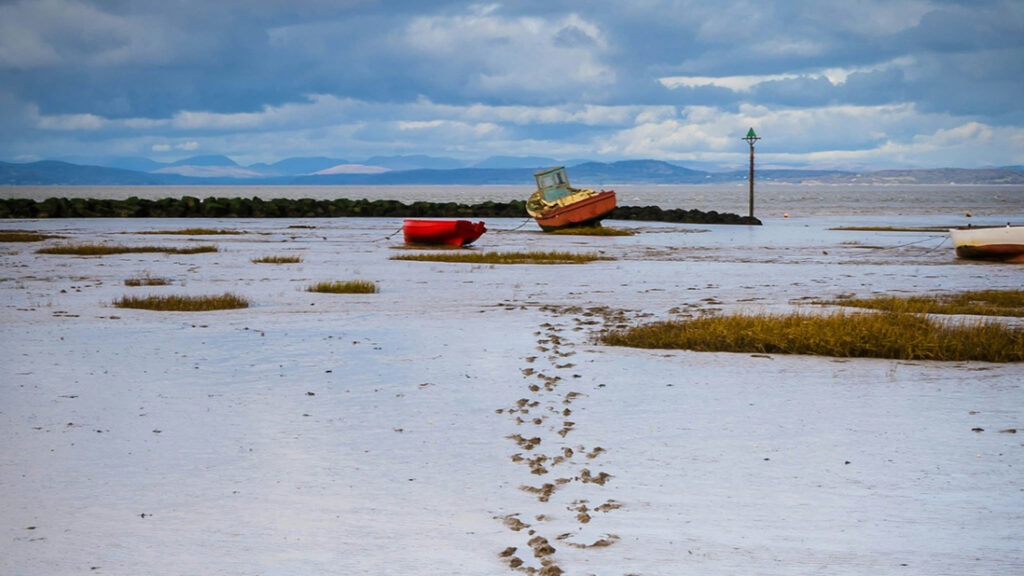
Brown shrimp (Crangon crangon) have sustained Morecambe Bay’s artisanal fishery and its potted shrimp tradition for generations, yet annual landings have fallen from more than 600 tonnes to under 12. The SEAS project (Shrimp-Environment Assessment Study), funded by the Coast-R Network Small Grants Fund, was co-designed with local fishers and delivered by the University of Salford with NWIFCA, Cefas and the Mersey Gateway Environmental Trust to put those concerns to the test. This webinar presents what we found.
Sampling of seawater, sediment and shrimp at Flookburgh, Heysham and Fleetwood produced the bay’s first integrated contaminant baseline, covering trace metals, and microbial communities. Metal concentrations were broadly similar across sites, with no contamination hotspot. Cadmium and lead in shrimp were at or below EU limits for crustaceans, an indicative reassurance on food safety.
Satellite records for 1981 to 2025 show the bay warming by more than a quarter of a degree per decade, almost entirely in spring and summer. However, the short landings record cannot yet confirm temperature as the main driver of the decline. We will discuss what this multi-stressor picture means for fishers and managers, and how monitoring can continue beyond the project.
The presentations will be followed by a Q&A, chaired by Coast-R Network co-lead, Professor Stephanie Jones of the University of Southampton.
The webinar will take place via teams. Follow the link below to register and join:
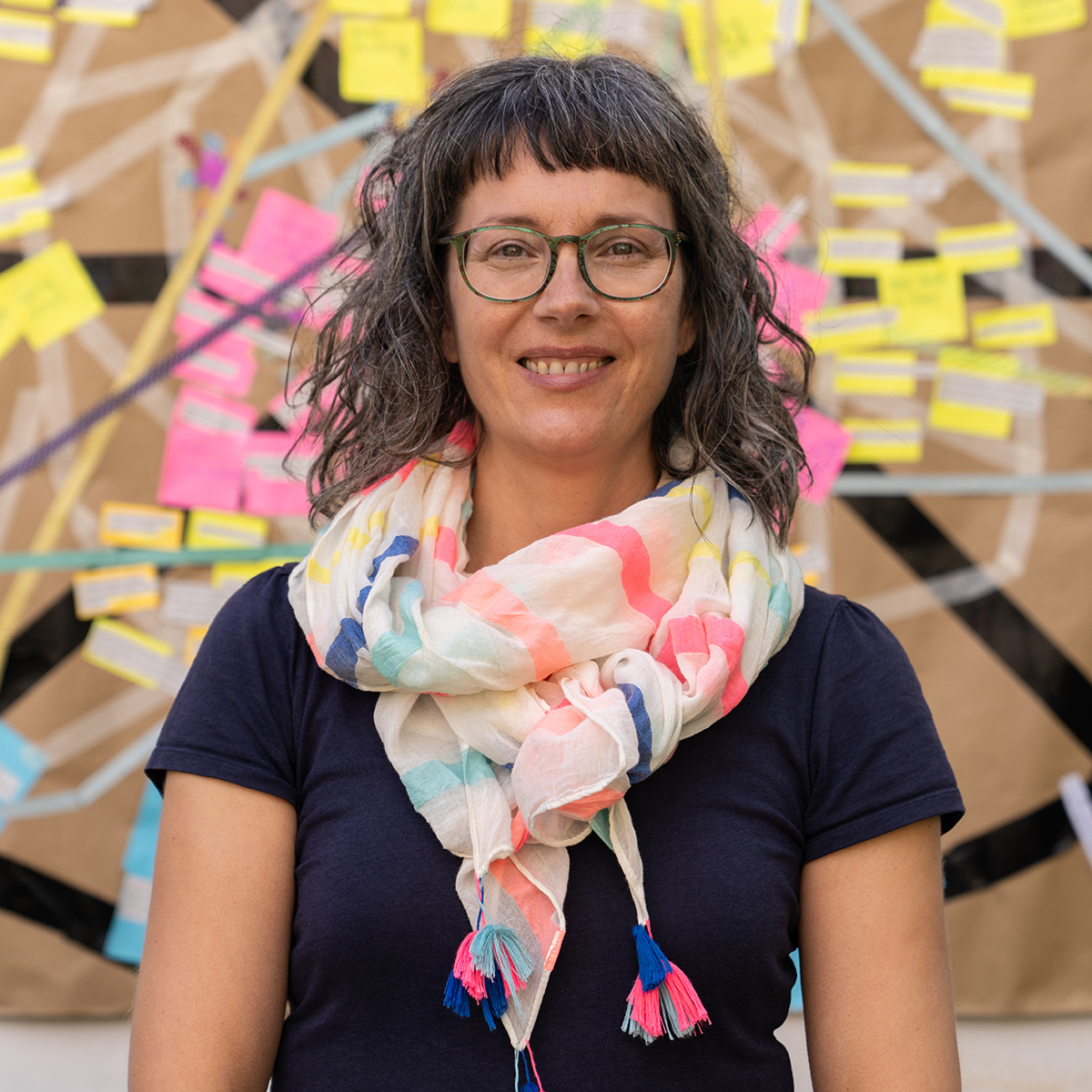
Dr Louise Hunt
Dr Louise Hunt is a Research Fellow at the University of Plymouth School of Health Professions, working with Dr Clare Pettinger, Associate Professor in Public Health Dietetics. Clare’s research team have recently finished work on the five-year UKRI funded Transforming UK Food Systems project, FoodSEqual.
Louise has a strong interest in public health nutrition with focus on areas of deprivation. Her research interests range from transdisciplinary working for food systems transformation to access to and development of breastfeeding peer support interventions. Of particular interest are co-production and creative methodologies.
View Louise’s ORCID page
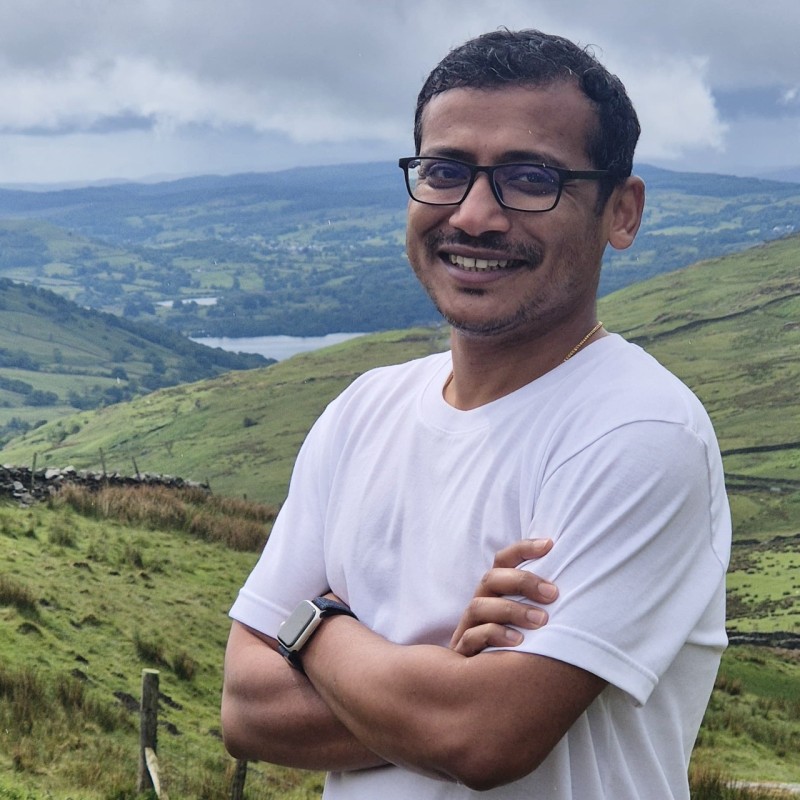
Dr Jajati Mandal
Dr Jajati Mandal is presently working as a Research Chemist (Metals) at the UK Centre for Ecology & Hydrology (UKCEH), Lancaster. He is specialising in analytical and speciation techniques for metals and metalloids in environmental samples. His research examines how contaminants move through water, sediment and living organisms, and what this means for ecosystems and the people who depend on them. Additionally, he has expertise in developing predictive models using machine learning algorithms and have developed packages such as ‘Inquilab,’ and ‘AdsorpR’ to model kinetics and adsorption.
Jajati leads the SEAS project, which he began as a University Fellow at the University of Salford. There he co-founded the Coastal Ecosystem Hub with colleagues from the university and the Mersey Gateway Environmental Trust, connecting academia, local communities, policymakers and industry around place-based coastal resilience research. Through SEAS he worked with shrimp fishers, NWIFCA and CEFAS to answer long-standing community questions about contaminants and environmental change in Morecambe Bay.
View Jajati’s ORCID page
Find out more about the SGF projects
Dr Louise Hunt’s project is Fishfingers and Fresh Ideas: A Blueprint of Good Practice to share Social Innovation from Sea to Shore. Visit the project web page
Dr Jajati Mandal’s project is SEAS (Shrimp-Environment Assessment Study) in Morecambe Bay. Visit the project web page