In this blog, the Coast-R University of Liverpool team, Charlotte Lyddon, Neil Macdonald, Marta Meschini and Andy Plater, reflect on our Year 3 Annual Forum.
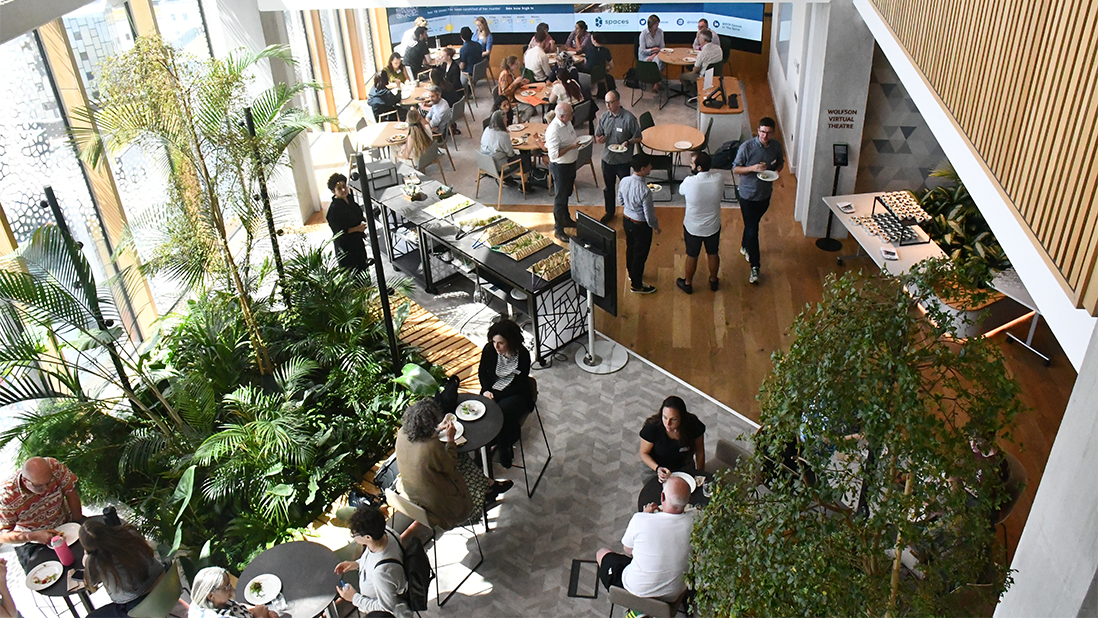
On June 25th, we hosted the Coast-R Year 3 Annual Forum at the Spine in Liverpool. This year, our central theme focused on “Investment for Rejuvenating Coastal Communities.” We were particularly focused on exploring the role of the private sector and public-private partnerships in building resilient coastal communities through various mechanisms and innovative approaches to creating social value.
The “red thread” running through our day connected the three pillars of sustainability: Economic, Social and Environment.
Morning Session | Economic & Social Pillars
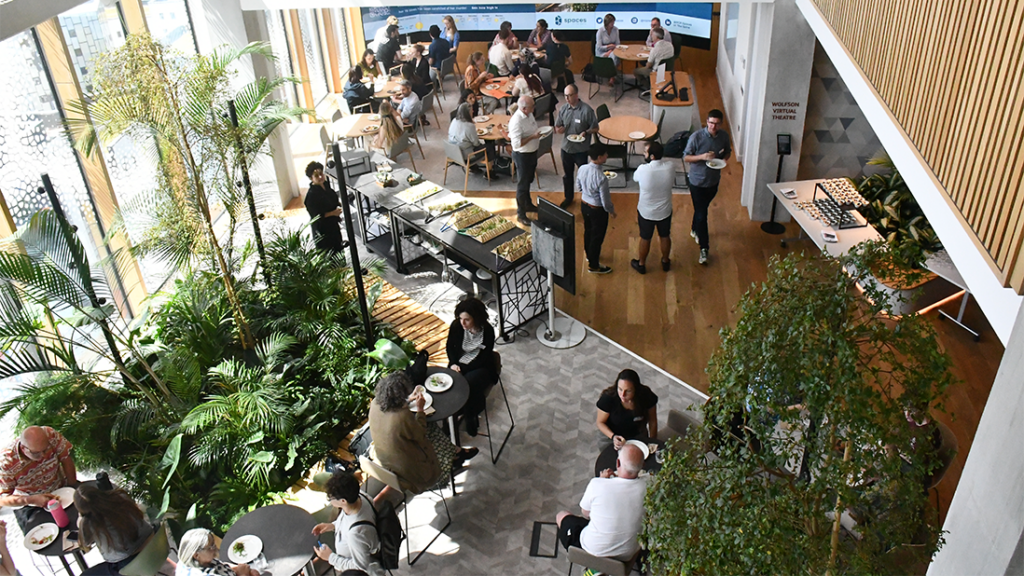
We kicked off the morning with five talks from across academia and the private and public sector. Together, we explored flows of value and resources (both energy and financial) connecting the coast to the marine realm, and more broadly, how these flows address the challenges of climate change, sustainable resource use, and economic development.
- Social value in offshore development: Simon Thurley from The Crown Estate explored how social value is positioned to connect offshore development with coastal communities through Contracts for Difference.
- Managing marine ecosystems: Mel Nicholls from the Marine Management Organisation (MMO) considered how managing and protecting our marine ecosystems benefits society – again highlighting mechanisms including social value.
- Marine stewardship & community resilience: Dr Pamela Buchan from the University of Exeter built on these connections between marine resource stewardship and coastal communities. She examined the partnerships needed to deliver fair, place-based decision-making so coastal communities can remain resilient amidst expanding marine development.
- Framing and extracting value: Prof Richard Dunning from the University of Liverpool examined how we frame ‘value’ across marine and coastal contexts, alongside practical instruments for extracting value to invest directly back into coastal community resilience.
- Industrial investment & long-term sustainability: James Starkey from Balaena Birkenhead (formerly Cammell Laird shipyard) explored the relationships between industrial investment, procurement strategy, social value, and net-zero energy opportunities in delivering long-term regional economic sustainability.
Afternoon Session | Environmental & Social Pillars
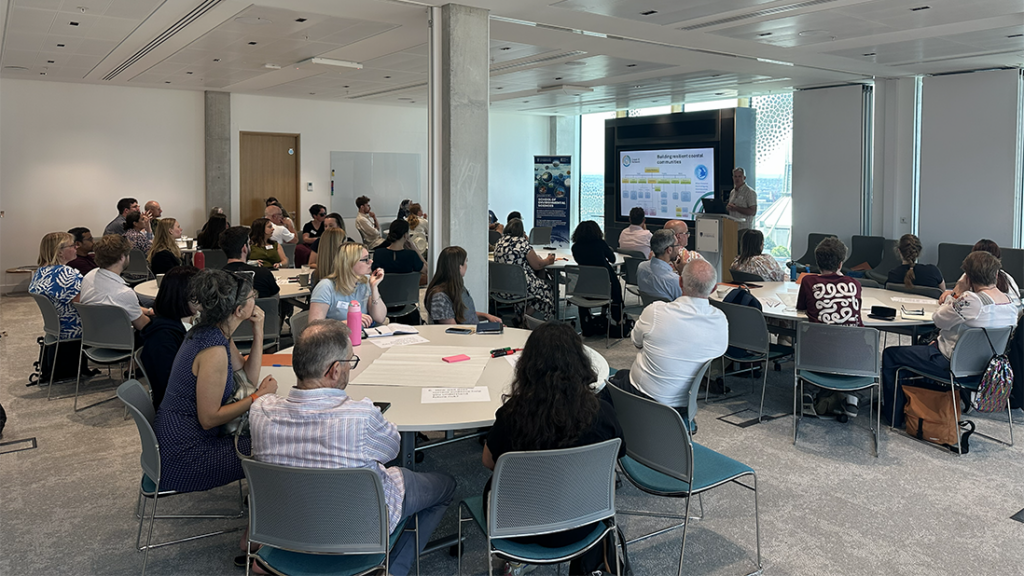
In the afternoon, our focus shifted toward the environmental and social pillars as we moved into an interactive workshop designed to collaborate on strategies for planning for coastal change.
The workshop considered methods for future planning on the coast under changing conditions to support long-term resilience. Using a pre-workshop survey alongside live interactive elements, we worked to understand how participants are currently planning for the future – their time horizons, the specific coastal changes they anticipate, and their core planning approaches.
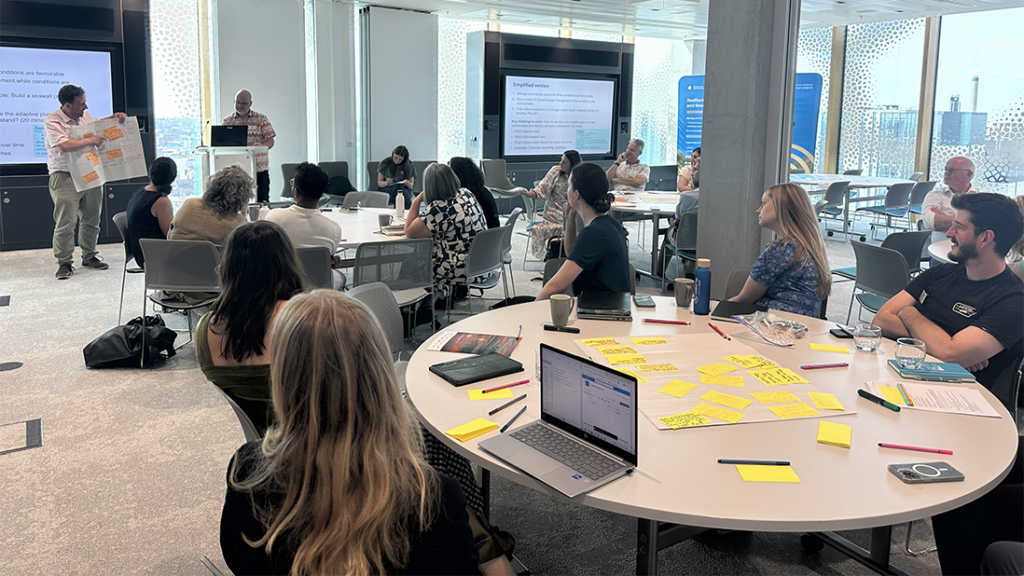
We then undertook a closer examination of the Adaptive Pathways approach, using Shoreline Management Plans (SMPs) as a case study, in collaboration with Our Future Coast project. SMPs set out how we manage coastal resources in the face of erosion and flooding. During the session, we focused on:
- What decisions need to be taken?
- Who owns those decisions?
- What triggers the requirement for a decision?
- Key lessons learnt from past implementations?
What We Learned
One of the central shifts that emerged during our discussions was a collective reframing of what “social value” actually means for coastal communities. Rather than treating social value as a simple metric – like short-term job creation or a token component in procurement processes – speakers and participants emphasised the need to view it as a foundational requirement for genuine, place-based resilience. Insights from the MMO, The Crown Estate, and Balaena Birkenhead sparked lively debates on how private-public partnerships can deliver practical long-term value straight to the coast.
Participant feedback
The post-event survey we launched right after the forum gave us some insights into what participants enjoyed most about the Coast-R Annual Forum. Highlights included the opportunity to hear from and network with people across different sectors and areas, the hands-on and participatory workshops, the integration of diverse perspectives from industry, policy, and academia, and the in-person format that allowed everyone to connect and share experiences.
“I thoroughly enjoyed the format of the event, which beautifully balanced informative lectures and open spaces for debates and questions in the morning with an interactive workshop session in the afternoon. The specific dynamic of the afternoon workshop was excellent, as it allowed for direct contact with different perspectives from various professional fields. This interdisciplinary exchange proved to be incredibly valuable and highlighted how necessary diverse viewpoints are for achieving our shared goal of protecting coastal environments.” (Participant)
Our key takeaways from the day highlight the crucial importance of targeted communication, the immense value of building connections across sectors, and the urgent need to break down silos to support effective coastal resilience.