Noon-1.30pm, Wed 9 December 2026, online
Speakers: Dr Malachy Buck, Planning for Uncertainty, London South Bank University and Dr Matthew Howell, Engaging with the Coast, Swansea University
The first in a series of webinars about our Small Grants Fund projects, sharing learning and impacts from the first round of applicants.
Dr Malachy Buck: Two kinds of uncertainty: coastal planning in England and Northern Ireland
Coastal erosion and flood risk are intensifying across the UK, yet many coastal places need housing, regeneration and infrastructure. This presentation examines how planners in England and Northern Ireland navigate this tension under uncertainty. Drawing on scenario-based workshops in Belfast and London with 27 planners, policymakers and practitioners, it identifies two distinct forms of uncertainty.
- In England, planners work within fragmented frameworks, where doubts over the delivery and funding of Shoreline Management Plans and poorly aligned land and marine policies cloud decision-making.
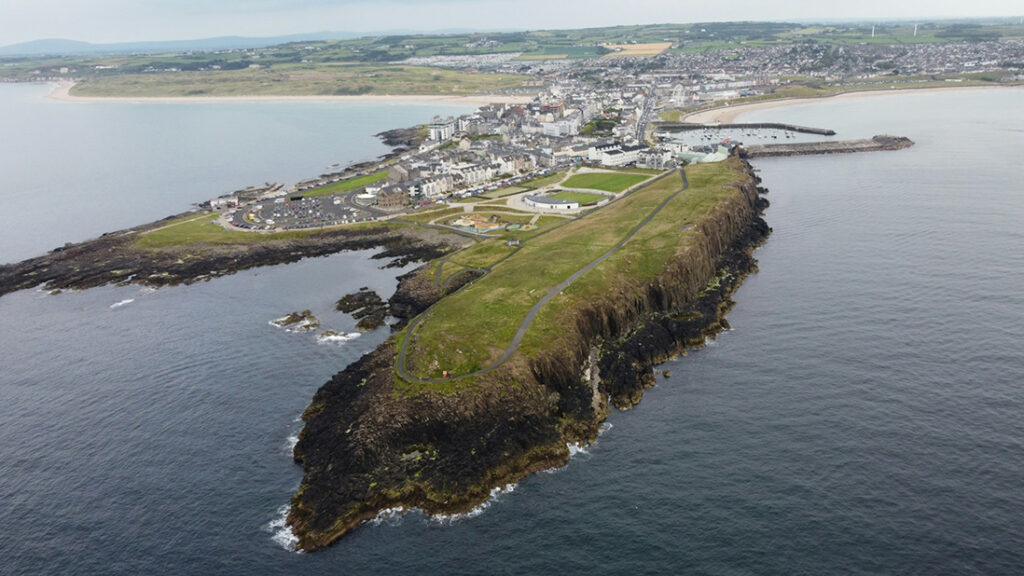
- In Northern Ireland, the absence of primary legislation, a coastal framework and a statutory duty to act leaves planners without strategic direction, producing piecemeal responses including unpermitted private defences.
In both nations, refusing development in at-risk areas was often seen as unrealistic, and good practice and erosion data were not consistently shared. The findings highlight the need for clearer frameworks, accessible evidence and mechanisms to mainstream good practice.
Dr Matthew Howell: Co-Constructing Inclusive Spaces Through Ethnographically Informed Dialogue
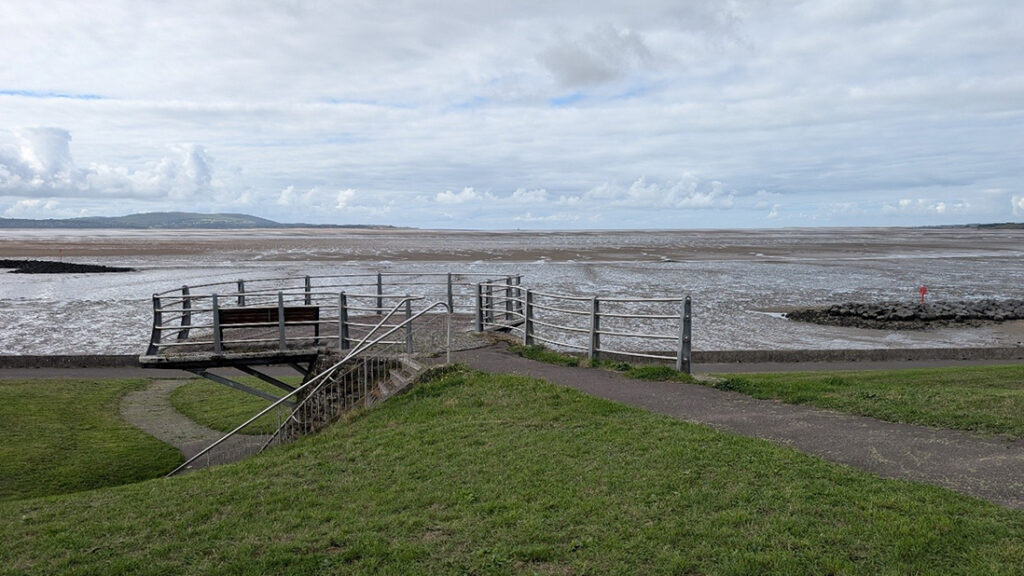
Shared user pathways are popular routes which support active travel, recreation, and community cohesion and health and wellbeing. However, as they become more prevalent, these environments also become sites of tension, uncertainty, and exclusion for different user groups. This presentation provides an overview of a community-engaged research project that engaged with a diverse range of users and listened to their experience shared-use paths. The project draws upon 75 hours of ethnographic work to facilitate constructive dialogue around often contested public spaces.
The fieldwork captures many of the everyday experiences of walkers, cyclists, wheelchair users, parents, older adults, and other community members who use shared pathways. These insights informed a series of participatory activities, including walking-based creative arts sessions, stakeholder discussions, community engagement, and a survey with over 200 respondents. Overall findings were revisited in a community dialogue event that brought together individuals with different perspectives and experiences. By grounding discussion in real-world observations and lived experiences, the project sought to move beyond polarised debates and create opportunities for meaningful engagement between user groups.
The following presentation will demonstrate how useful ethnographic data is to supplement important dialogue when co-creating solutions through participatory methods whilst constructing inclusive community-led solutions to local challenges. The presentation concludes by reflecting on the implications of these findings for policy, practice, and the future design and management of shared-use environments.
The presentations will be followed by a Q&A, chaired by Dr Charlotte Lyddon of the Coast-R Network.
The webinar will take place via teams. Follow the link below to register and join:
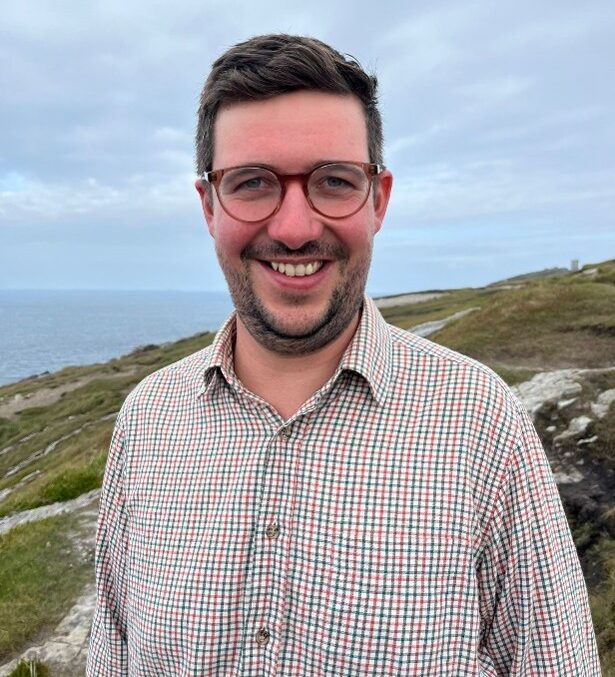
Dr Malachy Buck
Dr Malachy Buck is a Lecturer in Urban and Environmental Planning at London South Bank University, a Chartered Town Planner (MRTPI) and a Fellow of the Higher Education Academy.
His research examines how planning systems and governance structures respond to environmental challenges, and how the costs and benefits are distributed between competing interests.
He leads a UKRI-funded Coast-R Network project on how planners in England and Northern Ireland manage policy and funding uncertainty in communities at risk of coastal erosion and flooding. His recent work on coastal relocation appears in Local Environment and the International Journal of Disaster Risk Reduction. He completed his PhD at the University of Liverpool in 2023.
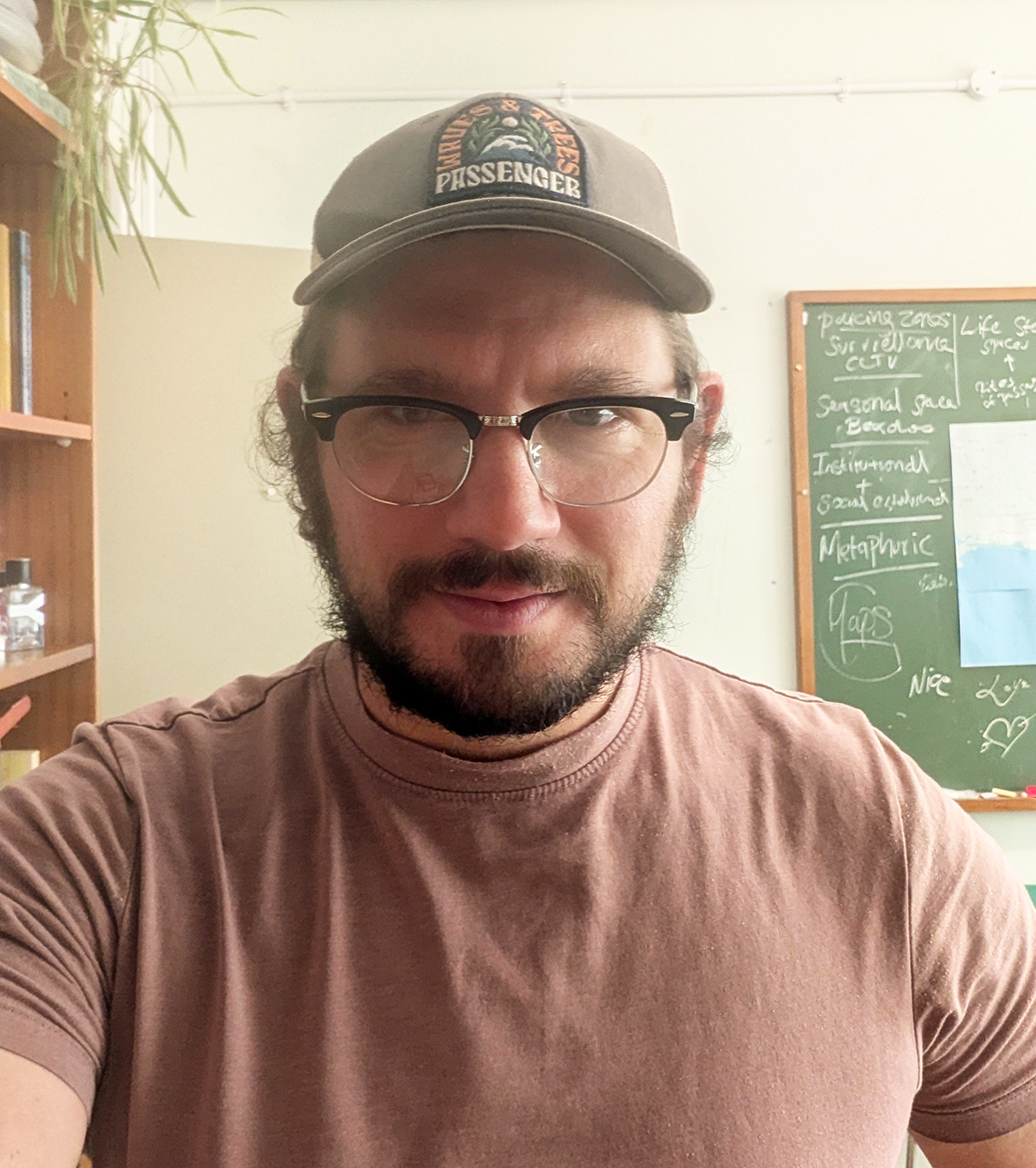
Dr Matthew Howell
Dr Matthew Howell is a Lecturer in Criminology and Sociology at Swansea University and Programme Director for the BSc Criminology and Sociology. His teaching and research are centred on social inclusion, social justice, youth and community experiences, and the ways people interact with the spaces and institutions around them.
He leads a UKRI-funded Coast-R Network project exploring barriers to coastal pathway access through dialogue with overlooked Welsh communities. His current research works collaboratively with community members to explore how shared public spaces can be made safer, more accessible and more inclusive for the different people who use them. This work brings together lived experience and community knowledge to better understand the challenges people encounter in shared spaces and to develop locally meaningful solutions.
Matthew also has substantial experience working directly with young people, having spent ten years as a youth worker in Swansea and Cardiff. This experience continues to shape his commitment to participatory and community-focused approaches that ensure the voices of young people and communities are meaningfully represented in research and decision-making.
Find out more about the SGF projects
Dr Malachy Buck’s project is Planning for Uncertainty: Building Adaptive Coastal Planning Capacity in England and Northern Ireland. Visit the project web page
Dr Matthew Howell’s project is Engaging with the Coast: Facilitating Community Dialogue around Usage of and Access to Coastal Shared User Pathways. Visit the project web page