ABOUT THE PROJECT
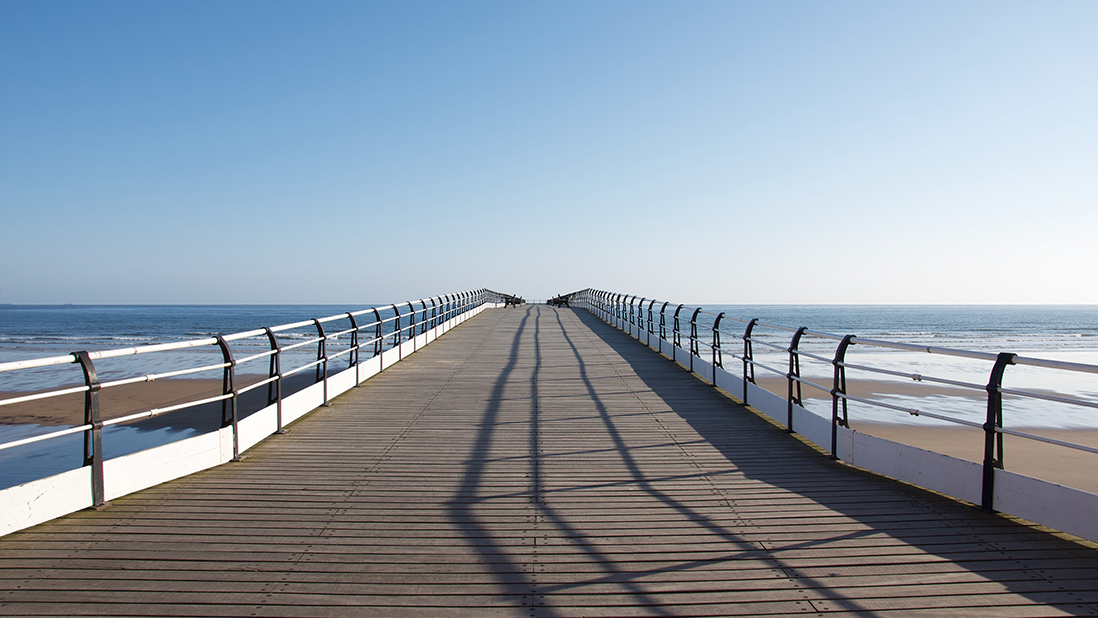
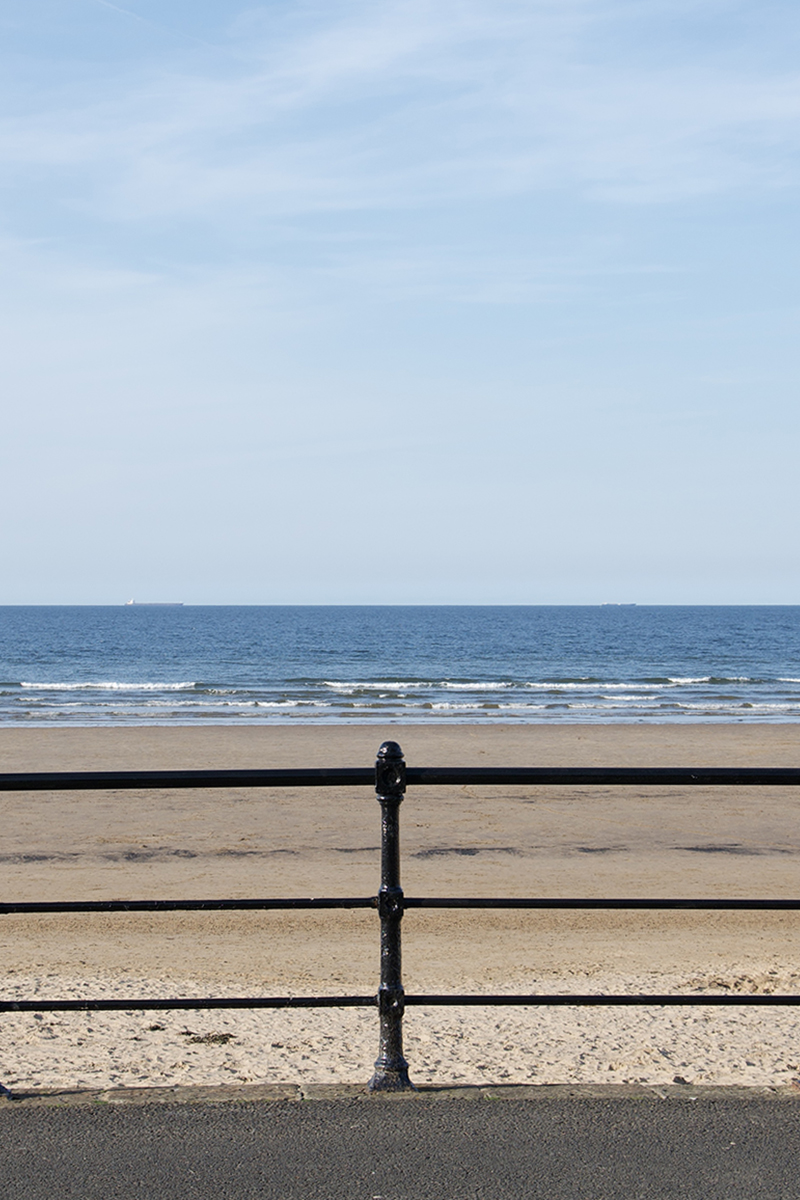
The Cleveland Open Coast Project looks at why some people on the Redcar to Skinningrove coastline cannot reach or enjoy their coast, and what needs to change. It focuses on people with disabilities, households without transport, older people, people on low incomes, Gypsy, Roma and Traveller communities, and isolated rural communities in East Cleveland. Community researchers from these groups work alongside academics from Teesside University as equal partners. Together they map barriers, gather lived experience, and turn the evidence into practical recommendations for councils, health bodies, infrastructure providers and researchers.
PROJECT co-LEADs:
Peter Neal & Joe Petch
Redcar and Cleveland Voluntary Development Agency (RCVDA)
LOCATION:
Redcar & Cleveland (Tees Valley, North East England)
Project ACTIVE:
1 September 2026 – 31 May 2027
Project Partners









Project Funders

The Challenge
Redcar & Cleveland’s coastline is among the most economically and health-deprived in England. Access to the coast is uneven. The people who could gain most from it, for health, wellbeing, identity and heritage, are often the least able to reach it.
Earlier NIHR-funded research by Teesside University, Life’s a Beach! Or is it?, explored the health and social needs of coastal communities in Redcar and Skelton. It found recurring themes of poor access, deprivation, transport exclusion and health inequality.
That study was not designed to set out what needs to change, or who needs to act. There is no current evidence base that combines community mapping of coastal access barriers with practical recommendations for local public bodies. This project aims to fill that gap.
Our Approach
The project extends the Health Determinants Research Collaboration (HDRC) South Tees Community-based Research Programme into coastal access for the first time. Community Research Associates (CRAs) are recruited from the communities taking part. They are paid at the Real Living Wage and work alongside academic researchers as equal co-producers.
Route 1 Coffee House CIC and Tees Valley Rural Action use their trusted relationships to reach people who are rarely heard in coastal research. With RCVDA and Teesside University, they form an advisory group that shapes the work.
Key elements:
- Joint analysis by CRAs and academics, and feedback sessions so participants can check the findings
- Baseline mapping of physical barriers, accessible routes and transport gaps, alongside deprivation data
- A community survey shared across partner networks
- Focus groups and one-to-one interviews with people facing the greatest barriers
- Participatory mapping sessions, where people show where they can and cannot reach the coast, and why
- Co-design workshops where participants agree priorities and shape recommendations
Findings will go directly to the bodies best placed to act: Redcar & Cleveland Borough Council’s Adult & Social Care Forum and Children & Families Forum, and the Live Well South Tees Board. A practitioner-focused report will be shared through the LGA Coastal Special Interest Group, the North Yorkshire and Cleveland Coastal Forum, HDRC South Tees and local voluntary sector networks. Trained CRAs will have a route into the HDRC South Tees programme, which runs to May 2029.
Image credits: All photography by Peter Neal, Redcar and Cleveland Voluntary Development Agency