1:00 – 2:00pm, Wed 21 October 2026, online
Dr Karen Alexander, Heriot-Watt University and Project Lead – TRANSECTS
The transition to net zero is reshaping coastal communities, creating opportunities and social, cultural and environmental challenges. The TRANSECTS project is exploring the impacts of energy transitions on coastal communities and seas using an interdisciplinary framework which places resilient coastal communities at its centre and brings together three complementary perspectives: natural capital, cultural heritage and history (“re-peopling the past”), and just transitions.
By examining how past and present marine energy developments shape communities, identities and environments, the framework offers a more holistic and people-centred approach to understanding change.
This webinar will introduce the framework and outline forthcoming coastal community-based activities, highlighting opportunities for researchers, practitioners and community stakeholders to engage with the project and contribute to the co-production of knowledge on equitable and resilient coastal futures.
What is the TRANSECTS project?
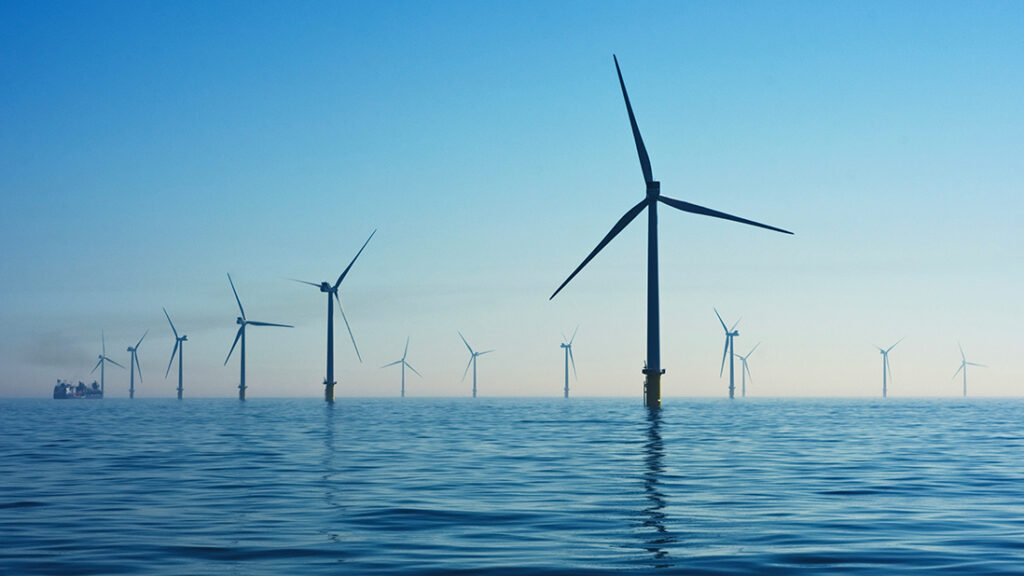
TRANSECTS will use historical and current case studies to understand marine energy transitions and their impacts on the sustainability and resilience of coastal communities and adjacent seas. It will integrate creative methods with community dialogue and scientific research/expertise to enable communities to explore their roles and responses to energy transitions. Finally, it will establish a ‘theory of change’ for marine energy transitions which will assist coastal communities to improve social, economic and environmental sustainability and resilience, and transform decision-making.
The webinar includes a Q&A, which will be chaired by the Coast-R Network’s Professor Stuart McLelland.
The webinar will take place via teams. Follow the link below to register and join:
Meet the Speakers
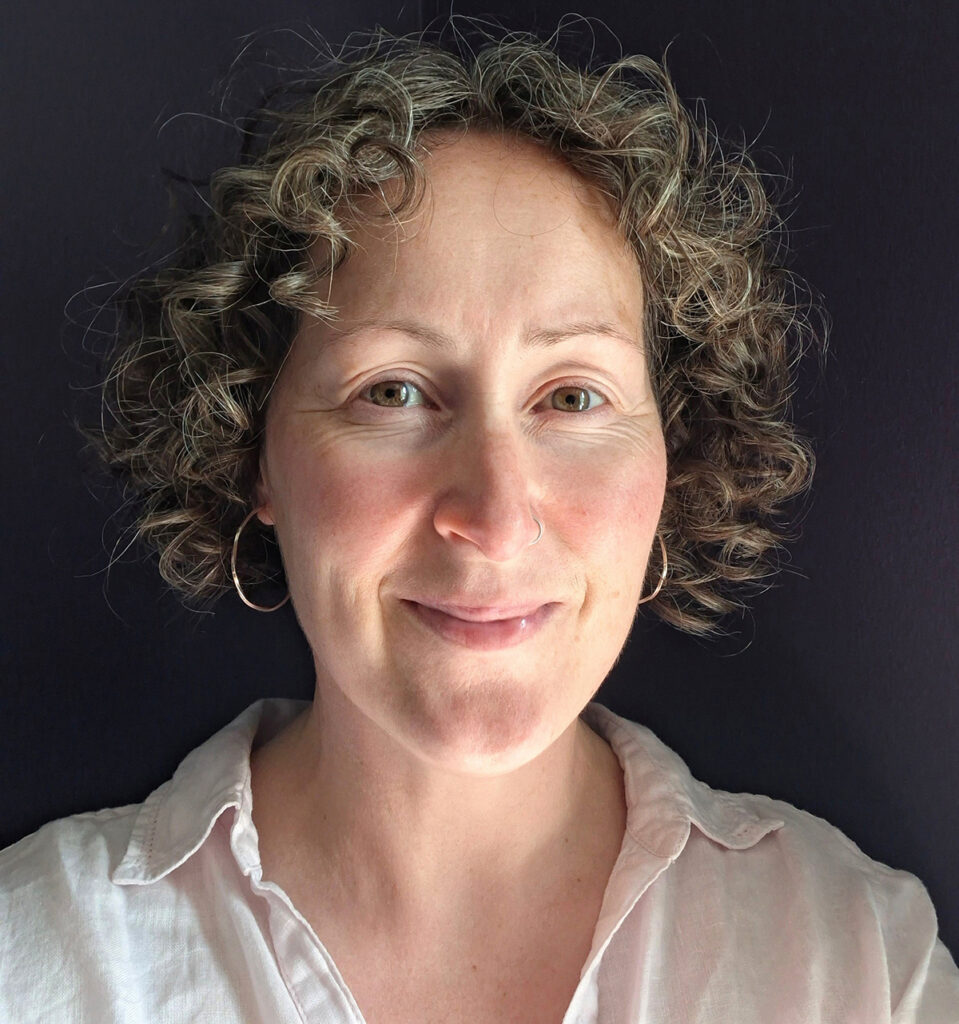
Dr Karen Alexander
Dr Karen Alexander, is lead for the TRANSitions In Energy For Coastal Communities Over Time And Space (TRANSECTS) project, and is based at Heriot-Watt University.
Karen is a human geographer with wide-ranging interests, centring on environmental stewardship and ocean and coastal conflict. She specialises in issues around the transition to a green (blue) economy, particularly how such developments affect coastal communities.
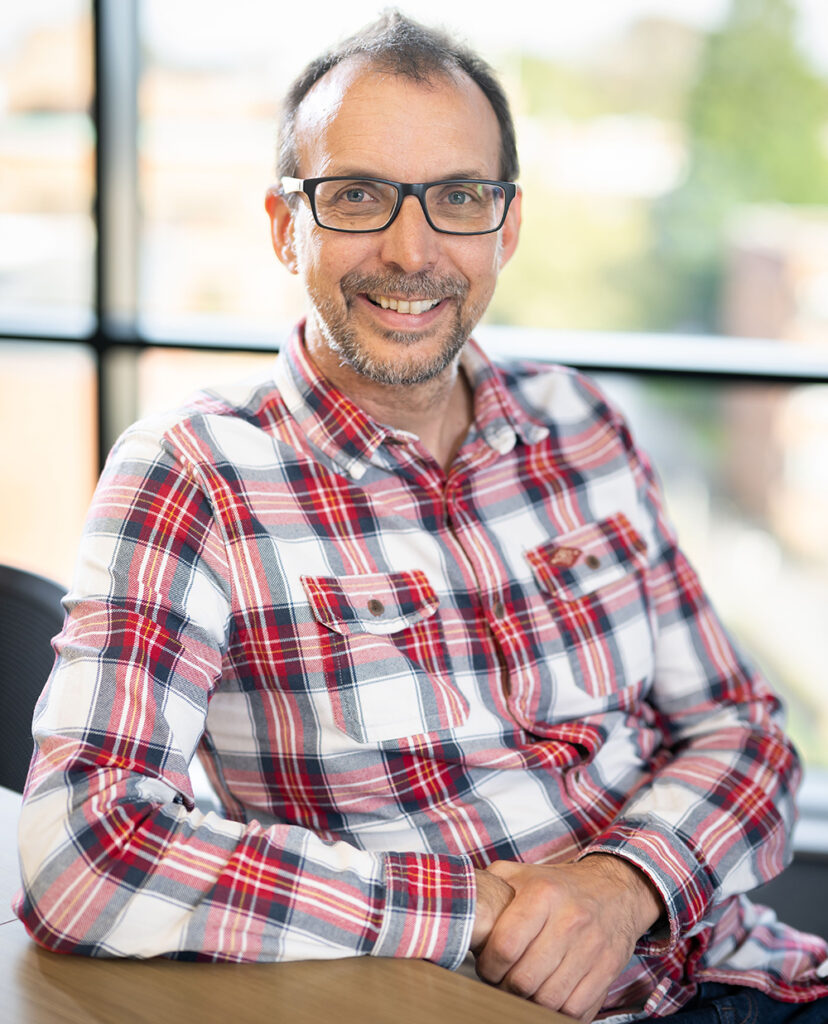
Chair – Professor Stuart McLelland
Stuart McLelland is a co-lead on the Coast-R Network and Professor of Water Science at the University of Hull, where he is also Deputy Director of the Energy and Environment Institute.
Stuart’s research focuses on physical modelling of flow processes and sediment transport dynamics. His main interests are in river dynamics, but sediment and water are everywhere so he works across a range of scales and also studies estuarine and coastal environments. Stuart manages research in the Total Environment Simulator (TES) which is a world-class experimental facility, operated by the University of Hull. The TES is designed for modelling environmental fluid and sediment dynamics across with flow, waves and rainfall in conjunction with a suite of laser and acoustic measurement equipment.
Stuart leads fieldwork teaching on volcanic geomorphology in Tenerife which he has been involved with for 20 years and he manages and delivers MSc teaching programmes for the Energy and Environment Institute.