ABOUT THE PROJECT
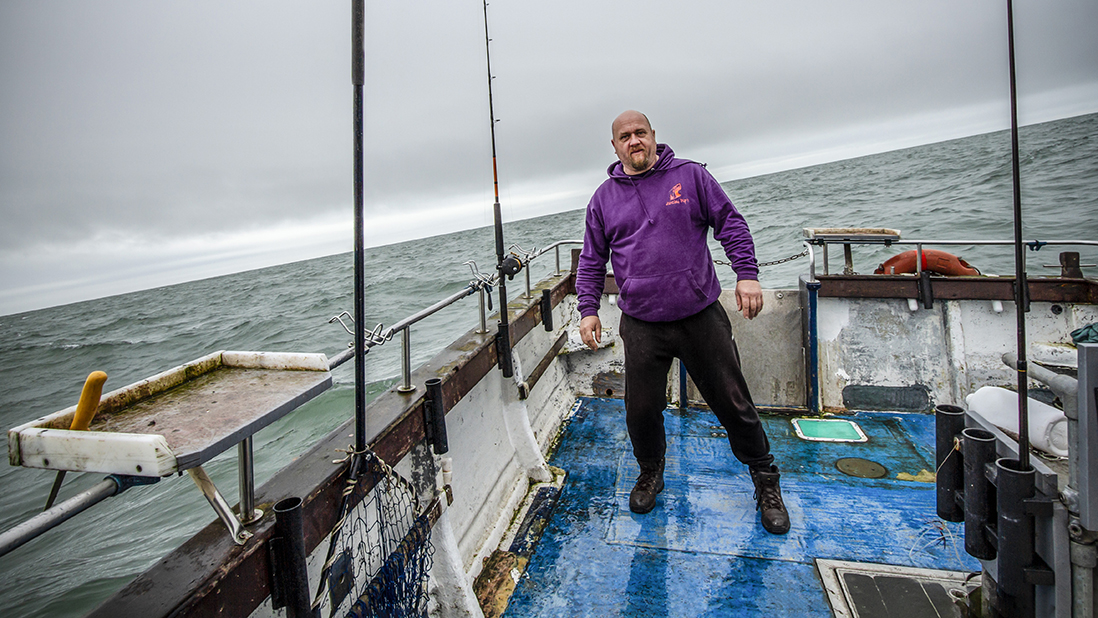
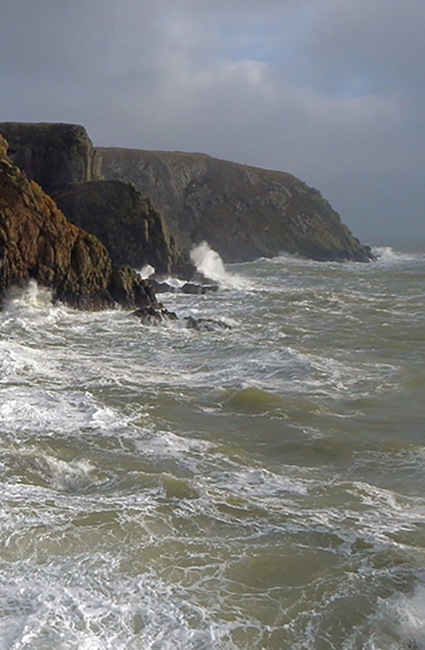
Solway Sea Change is a cross-border project capturing how climate change is affecting the Solway Firth through the experiences of people who work on, use and understand its waters and coasts. Working with fishers, harbour staff, rescue services, recreational users and coastal communities, the project will combine interviews, participatory mapping, photovoice and workshops to record changes in sea conditions, access, species and working practices. Findings will create a 2026 snapshot, practical recording tools, maps, case studies and recommendations. This evidence will complement scientific monitoring and build understanding on what coastal resilience and climate adaptation looks like across the Solway.
PROJECT LEAD
Jenna Cains, Solway Firth Partnership
LOCATIONs:
Solway Firth, South West Scotland/North West England
Project ACTIVE:
1 September 2026 – 31 May 2027
Project Partners








Project Funders

The Challenge
Solway Sea Change addresses a critical gap in understanding how climate change is affecting the Solway Firth as a connected marine and coastal system.
Existing monitoring – including habitat surveys and shoreline management plans – tends to approach change from the land and may miss the detailed, day-to-day knowledge of people who work on and use the sea. Fishers, shellfishers, harbour staff, rescue services, recreational users and coastal communities are already noticing changes in sea conditions, weather patterns, access points, species, seasonal timings and working practices. However, these observations are often informal, fragmented and not recorded consistently across sectors or across the English and Scottish coastlines.
The project will capture and organise this lived experience to create a shared 2026 baseline, complement scientific evidence, identify emerging risks and knowledge gaps, and strengthen locally informed coastal monitoring, resilience and climate adaptation planning.
Our Approach
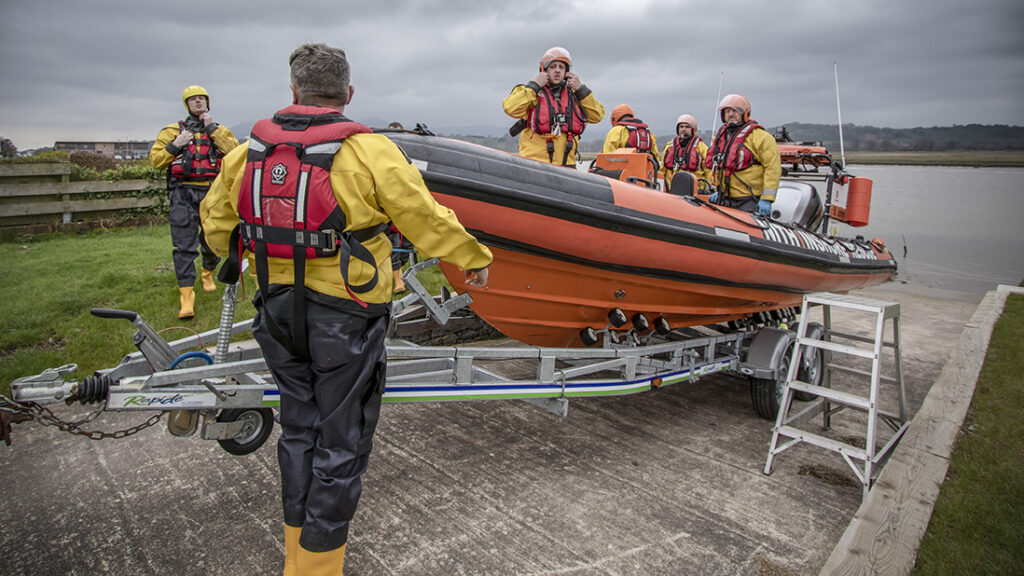
Solway Sea Change will use a mixed-method, participatory approach, co-designed with people who work on, use and understand the Solway. Initial stakeholder and site scoping will identify focal locations and participants on both the Scottish and English sides of the Firth.
Working with participants and University of Glasgow research partners, the project will develop accessible and consistent ways to capture knowledge about changing sea states and weather patterns, coastal processes, species distribution and seasonality, access, safety and operational impacts. Methods will include listening and key-informant interviews, walking or “go-along” interviews, photovoice, community mapping and other mixed-media approaches. Participation will be flexible, with options for in-person, telephone, online and written contributions.
Participatory mapping will record changes such as shifting channels, erosion and accretion, recurrent flooding, changing access points, species movements and unusual sightings, while protecting sensitive fishing locations. Facilitated community workshops will bring participants together to review and categorise observations, identify recurring themes, distinguish isolated events from sustained trends, and discuss priorities for monitoring, protection and adaptation.
The project will also co-design a simple, light-touch template for continued community recording, including date, location, observation type, supporting photographs and confidence level. Clear consent, secure data handling, anonymisation and participant checking will ensure that personal, commercially sensitive and location-specific information is managed ethically. Findings will be synthesised into maps, timelines, case studies and practical recommendations for communities and decision-makers.