12:00 – 1:30pm, Thursday 2 July 2026, online
Across the UK there are > 20000 legacy landfill sites which predate the regulatory requirements and engineering design to protect surrounding environments and people from the wastes they contain. These are now at risk from climate-related hazards including flooding, rising groundwater, increased precipitation, sea level rise and coastal erosion resulting in the release of pollutants. More than 1300 legacy waste sites have been identified at risk of coastal flooding or erosion. This has the potential to endanger biodiversity, harm human and ecosystem health and deepen social and economic inequalities. The issue has recently been highlighted in the recent Parliamentary Office for Science and Technology (POST) note ‘Legacy Waste’ (POST 2026).
This talk will;
- Highlight the scale of the national problem
- Examine the existing evidence for impacts on ecological and human health
- Consider the implications of waste for sustainable coastal management and adaptation to climate change
View the Webinar Recording
Meet the Speakers
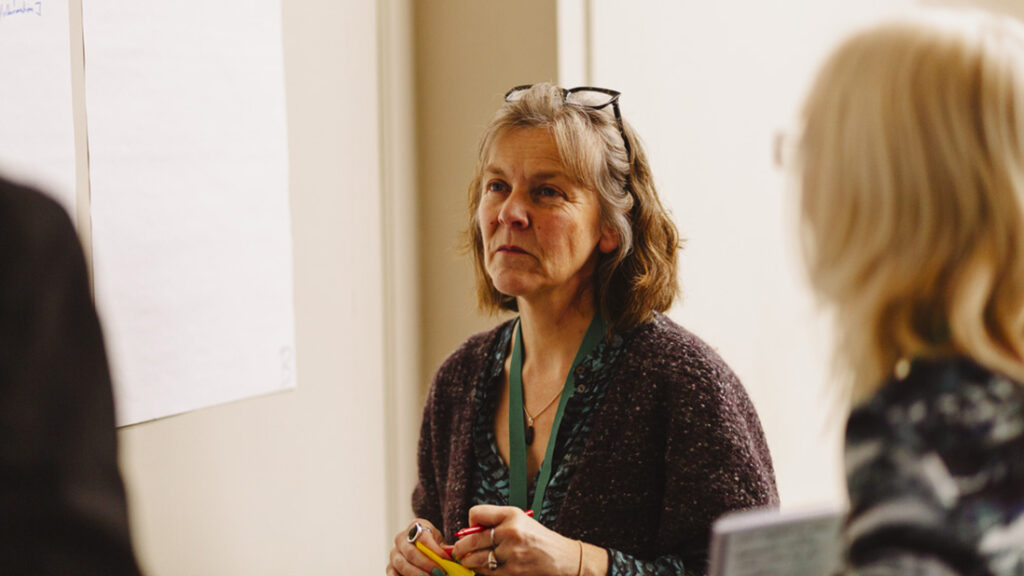
Professor Kate Spencer
Kate Spencer is a coastal scientist and Professor of Environmental Geochemistry at Queen Mary University of London. Her research has broadly focussed on the interactions between pollution fate and transport and human activity, particularly in coastal and estuarine environments. In the last decade she has focussed on legacy waste providing the first national assessment of coastal historic landfills at flood and erosion risk and the potential impacts of climate change on pollution behaviour.
She has provided expert advice on legacy waste to Defra, the Environment Agency, the Local Government Association, the United Nations, and the Coastal Communities APPG. Her research on legacy landfills has been widely reported in the media, e.g., BBC Panorama ‘Landfill: Britain’s Toxic Secret’ and BBC Radio 4 Rare Earth ‘Can we live without Waste’. She currently leads the £3 million UKRI project ‘Resilient Anthropocene Coasts and Communities’ assessing the socioeconomic and environmental impacts of coastal waste and developing practical and policy solutions.