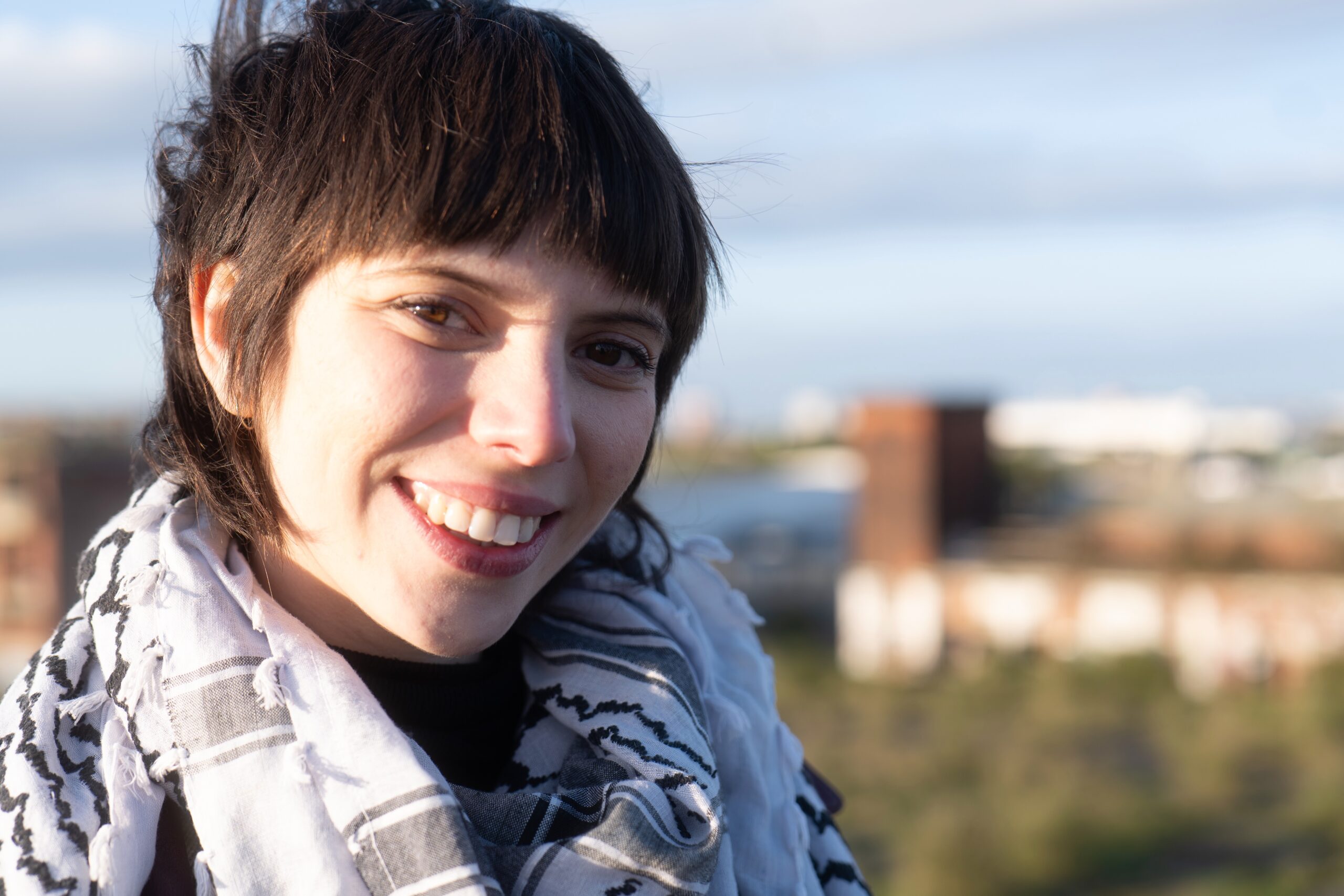
Petra Codato is a third year PhD researcher working on coastal transition, and based in the Energy and Environment Institute at the University of Hull. She is funded by the Leverhulme Doctoral Scholarship Centre for Water Cultures and her supervisors are Briony McDonagh, Gill Hughes and Kate Smith.
Tell us about yourself and your project
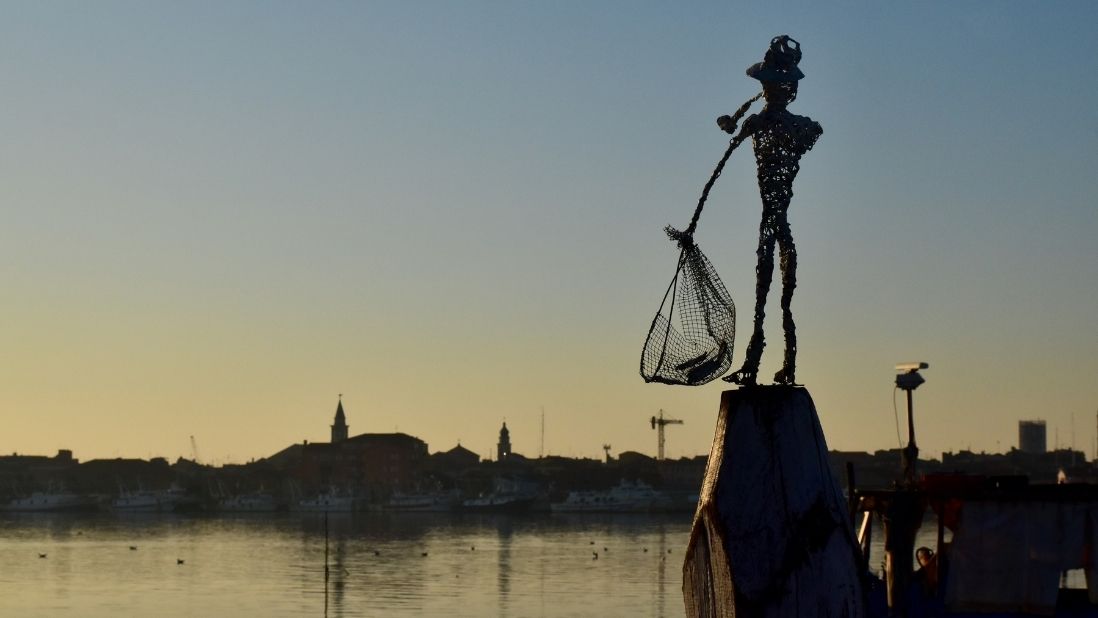
I grew up in the Venice Lagoon, Italy, an intrinsically aquatic place that is increasingly impacted by sea level rise and climate change. Coastal transformations and adaptation are part of who I am, and in 2023, I had the opportunity to start a PhD project on this topic at the Centre for Water Cultures at University of Hull.
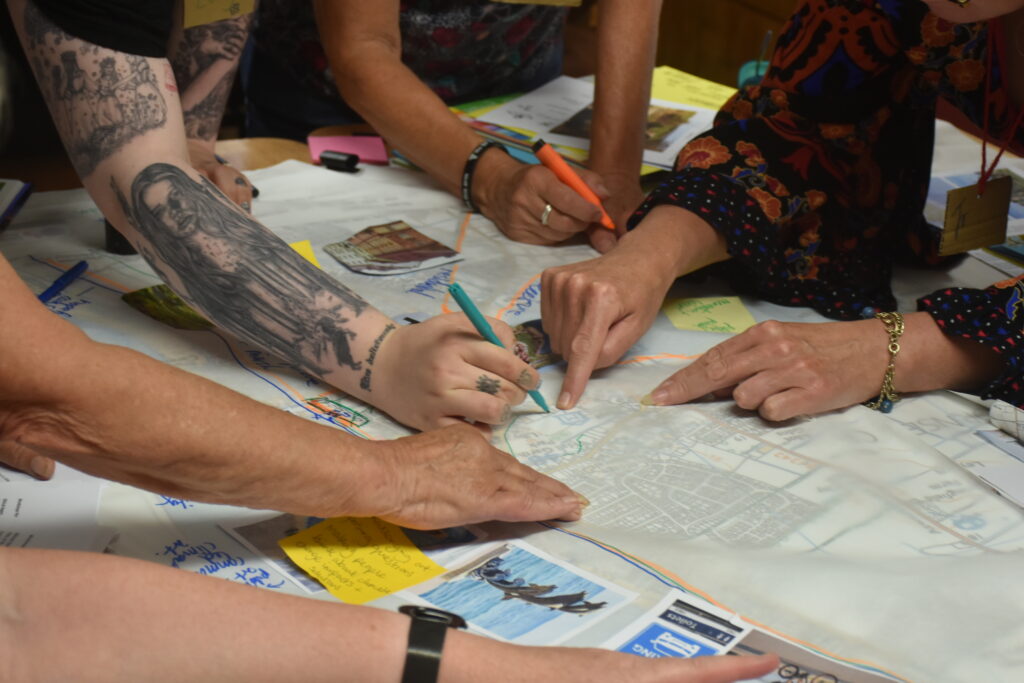
My focus is on how to use participatory and creative methods to engage communities on coastal transition issues and to evaluate the impact of this methodology. I am working in two study locations: one along the Holderness Coast in England (the fastest eroding in Europe) and one in the Venice Lagoon. By interviewing local community members and organising creative and participatory mapping workshops, I aim to facilitate and support the self-empowerment of these coastal communities. My project pursues these pathways to build positive change towards coastal adaptation: stimulating interest and awareness in coastal transformations, facilitating the exchange of local ecological knowledge, and inspiring transformative imagination for local action. I believe that informed, active, and just participation of local communities in the decision-making process about coastal management is essential to tackling the impacts of climate change.
What is Your Background? What were you doing before starting your PhD?
I completed a Master’s degree in Environmental Humanities at Ca’ Foscari University of Venice, a programme characterised by a very high level of transdisciplinarity. My human geography thesis was later published as a book. Here, I brought together historical, geographical, sociological, and artistic insights to better understand the highly complex dynamics of the Venice lagoon. In my PhD project, I continue this the interdisciplinary approach, expanding it to embrace two distinct places, very different but nevertheless joined by the challenges posed by climate change.
Can you tell us about some of your findings to date?
So far, I have completed my fieldwork in the first study location, the Holderness Coast. Interviews with local community actors and coastal residents allowed me to gather differing perspectives on how coastal transformation, particularly coastal erosion, is experienced along the East Riding Coast. The interviews also provided me with a good basis on which then structure the workshops. In the workshops, I combined participatory mapping with various other creative and participatory methods (photo elicitation, photo-voice, collaging). In doing so, I aimed to bring participants on a journey from the past, through the present, and towards the future of their coastal town. Evaluations conducted during and after the sessions have helped me to understand which aspects of my methodology worked the best and which ones could be improved. I have now started the second phase of my fieldwork, and I am excited to refine my co-produced methods in the Venice Lagoon and then bring back findings to both communities.
How does your research connect to the Coast-R Network?
Since the beginning of my PhD, I knew I was in the right place to study coastal transformations: the Centre for Water Cultures, and the wider Coast-R Network are inspiring and vibrant contexts where my research can flourish. My project shares the same commitment to participatory practice and co-production, the interdisciplinary approach, and the action-research goal to extend the impact outside of academia. During the first two years of my project, I had the opportunity to join and support various Coast-R Network workshops, in Hull and along the Holderness Coast. These engagement activities expanded my understanding of the complex nature of the East Riding Coast, and improved my facilitation skills by allowing me to interact with diverse publics. I hope to contribute to the Network’s collective knowledge by sharing my comparative findings and recommendations on the value of creative and participatory methods for informed and just coastal adaptation.