
ABOUT THE PROJECT
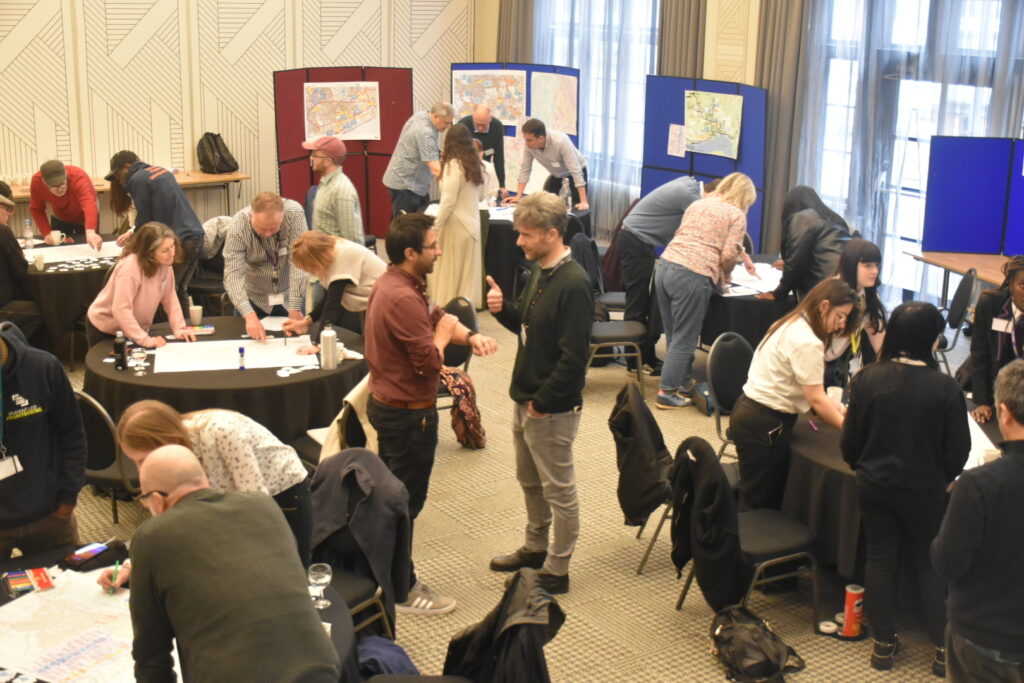
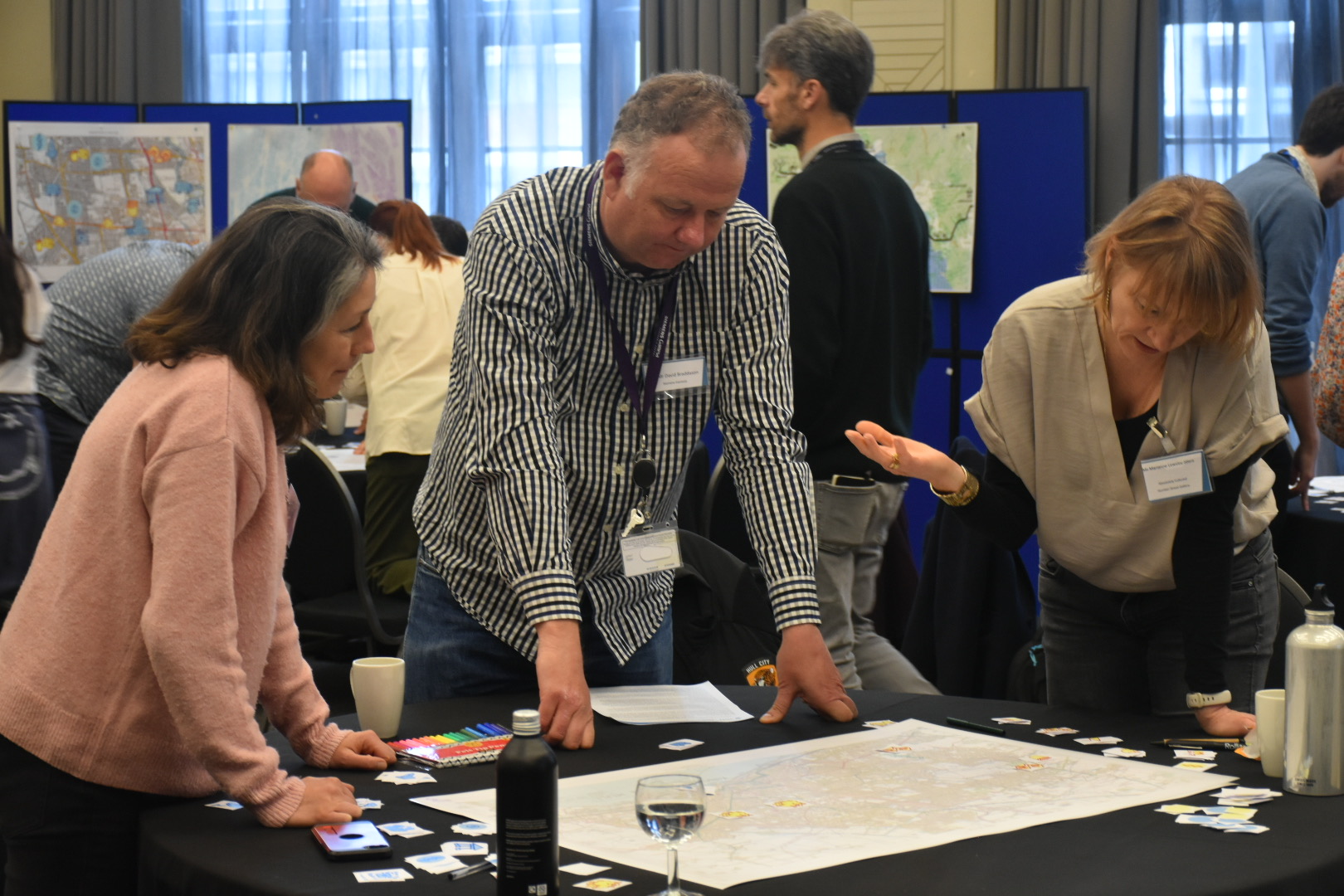
Shifting Shores is a collaborative research project developing a new toolkit to support coastal communities and decision-makers in responding to climate risks such as flooding and erosion. Working with partners in North Yorkshire, the project explores how people understand and value coastal change, and how these perspectives can better inform policy and planning. Through interactive workshops and innovative engagement approaches, Shifting Shores will generate new insights into community priorities and adaptation pathways. The project will produce an open-access toolkit to support more inclusive, place-based dialogue and strengthen coastal resilience across the UK.
PROJECT LEAD
Dr Steven Forrest
University of Hull
LOCATIONs:
Hull, Whitby and Robin Hoods Bay
Project ACTIVE:
1 February – 30 November 2026
Project Partners









Project Funders

The Challenge
Coastal regions in the UK face a convergence of accelerating risks, including flooding and coastal erosion. These are exacerbated by urbanisation, land-use pressures, ageing infrastructure, and longstanding socio-economic vulnerabilities such as health inequalities, mental health and wellbeing challenges, and socio-spatial inequalities. These factors contribute to the heightened exposure and reduced adaptive capacity of many coastal communities.
Building coastal resilience requires more than technical risk assessments and needs meaningful dialogue between communities and authorities about what matters most, what is at risk, and what adaptive futures are acceptable. However, meaningful dialogue is often challenging to achieve and then use to support coastal policymaking and practice.
Our Approach
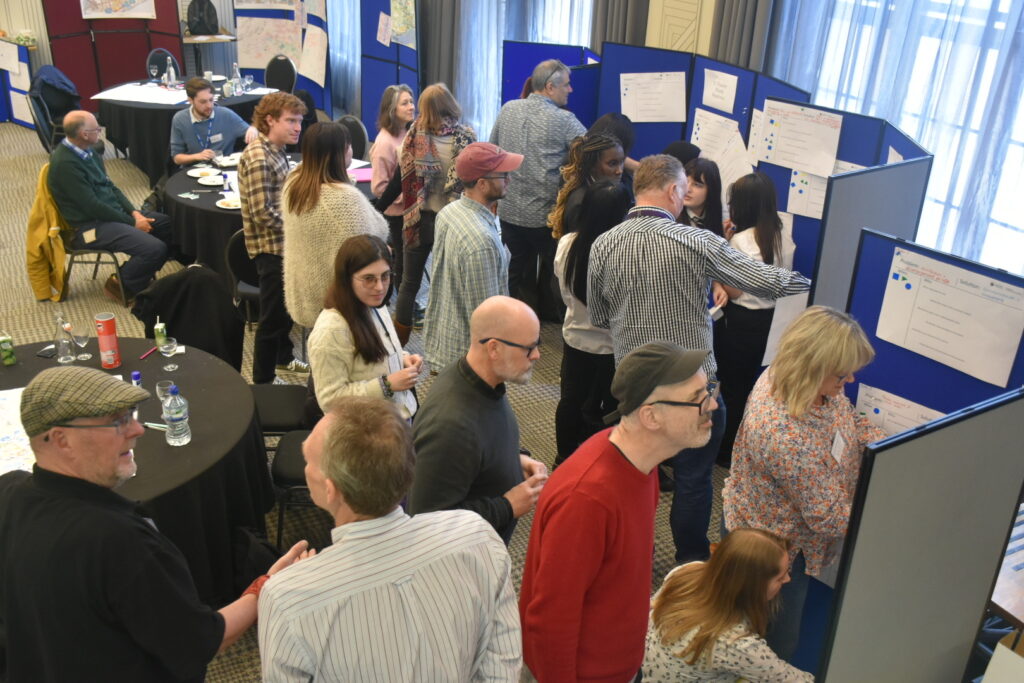
This project addresses this evidence gap by developing a serious game-based Coastal Resilience Toolkit that fosters meaningful dialogue, integrates policy frameworks and scientific datasets, to produce usable social science evidence.
The project focuses on two contrasting North Yorkshire sites managed by the North East Coastal Observatory (North Yorkshire Council): Robin Hood’s Bay, where coastal erosion and heritage loss pose increasing challenges, and Whitby, where sea-flood risk around the harbour drives ongoing engagement for new defences. Together they illustrate the need for inclusive, intergenerational approaches to resilience that bridge policy, heritage, and community priorities.
The project aims to collate learning across the UK to develop and test a scalable toolkit that facilitates dialogue between coastal communities ‘at risk’ and coastal authorities, translating local experiences, values, and priorities into insights that can inform coastal policy and practice.