ABOUT THE PROJECT
Archive to Action will investigate the success of the newly launched Coasts in Mind (CiM) Community Archive in facilitating knowledge exchange between coastal communities and policymakers. This co-created Community Archive is made available through a GIS mapping platform and interactive digital map that evidences coastal change over the past 100 years. Archive to Action will evaluate the extent to which community-generated insights can be translated into impactful, credible and usable evidence for coastal planning and policy processes and assesses how effectively the CiM Community Archive and platform meets policy makers’ data, communication, and accessibility needs.
PROJECT LEAD
Dr Claire R. E. Harris
Museum of London Archaeology
LOCATION:
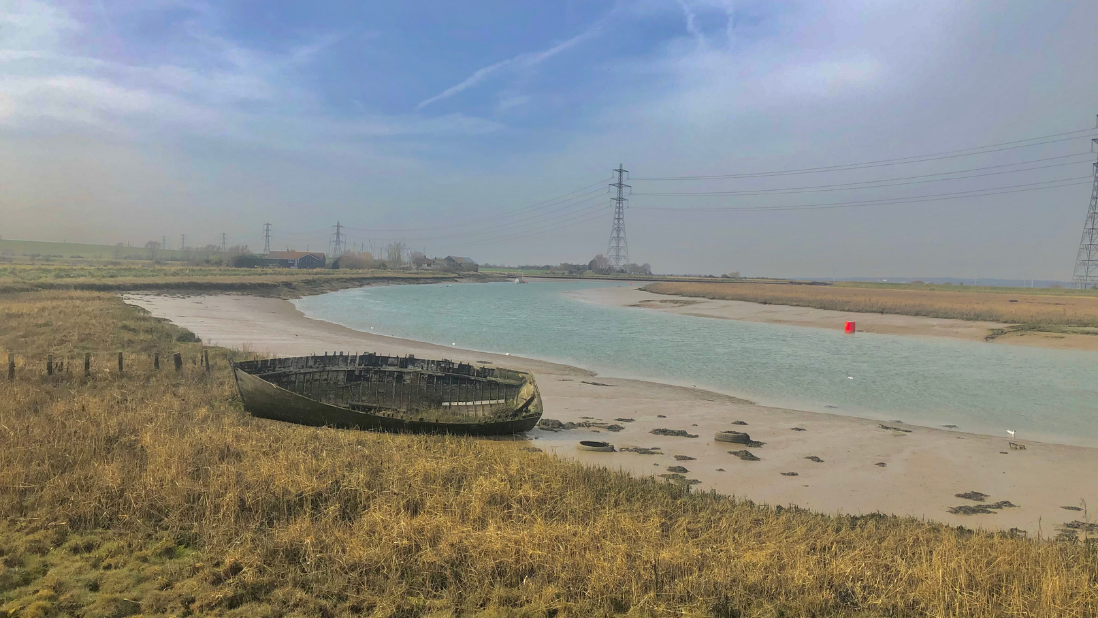
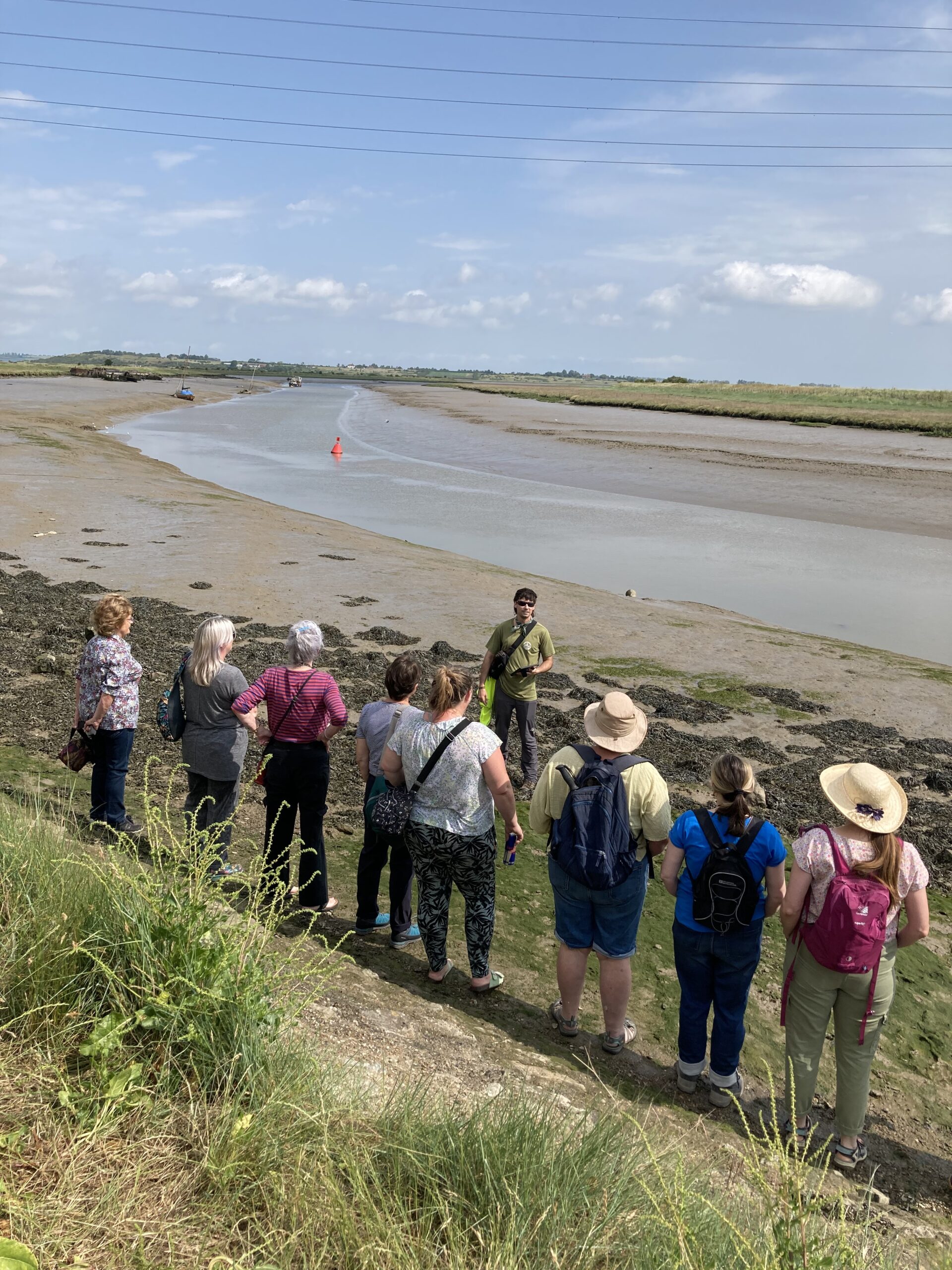
Swale Estuary
Project ACTIVE:
1 February – 31 November 2026
Project Partners







Project Funders

The Challenge
Coastal communities hold a wealth of knowledge about environmental change, expressed through photographs, oral histories, memories and lived experience. Yet this insight is often overlooked within formal coastal planning and policy processes, which continue to prioritise quantitative datasets and technical assessments. Policymakers have acknowledged that this creates significant gaps: decisions can appear disconnected from local realities, and the reasoning behind them can be difficult to communicate to the public.
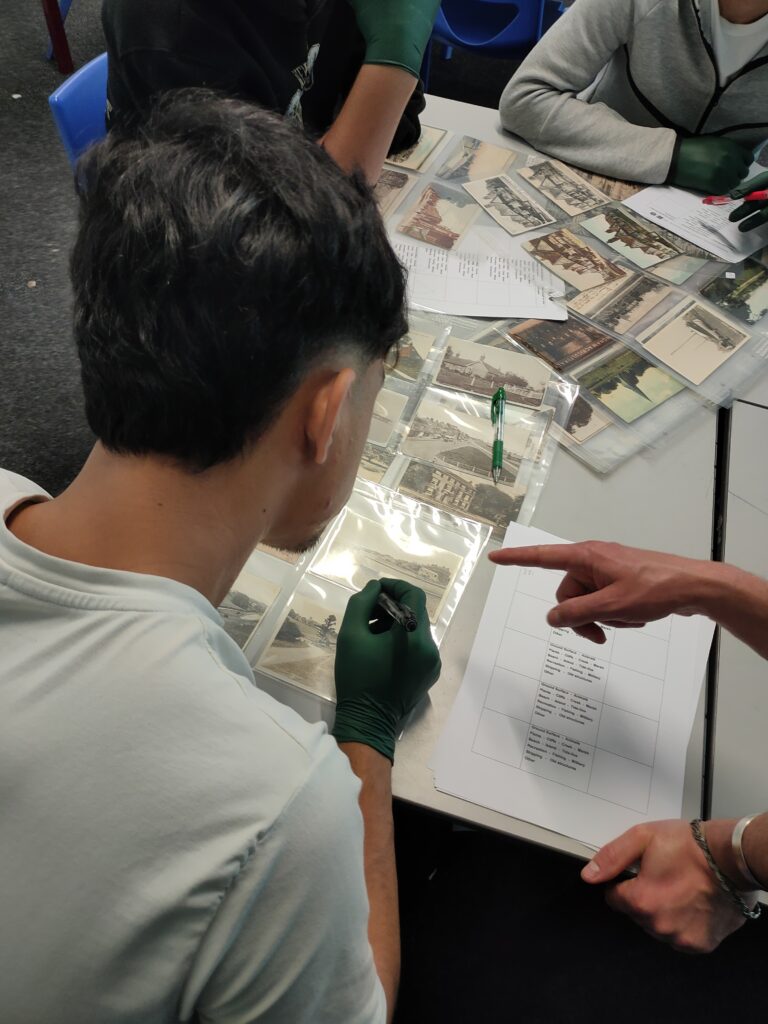
The newly developed Coasts in Mind (CiM) Community Archive seeks to address this imbalance by bringing together a century of community‑generated material that records how coastlines, livelihoods and identities have changed over time. While similar initiatives have shown the value of community archives for awareness‑raising and engagement, there remains limited evidence of whether this material can become credible, trusted and usable within real policy contexts.
This is the challenge at the heart of Archive to Action: understanding whether community‑held knowledge, memory and heritage can meaningfully contribute to more inclusive and equitable coastal planning, and what barriers may still prevent these insights from informing decisions that shape coastal futures.
Our Approach
Archive to Action uses a mixed‑methods, engagement‑driven approach to understand how effectively the Coasts in Mind (CiM) Community Archive supports policymaking. Because the project is embedded within CiM’s Swale programme, the approach is grounded in real policy contexts, established local relationships and an existing body of community‑generated data. The focus is on examining how policymakers interpret, use and value the digital platform and its material, and on identifying the barriers and opportunities that shape this process.
A core element of the approach is co‑creative engagement with policymakers. Archive to Action convenes two half‑day policy hackathons that bring together up to 15 participants at a time, offering a structured space to test how community archives can inform actual planning scenarios. These collaborative sessions will provide practical insights into what information policymakers look for, how they navigate the CiM platform and what forms of evidence feel meaningful and credible.
To deepen this understanding, I will undertake six in‑depth one‑to‑one interviews with policymakers from relevant local authorities and organisations. These discussions will explore individual perspectives on the value of community knowledge, experiences using the CiM digital platform and the specific conditions required for community‑generated insight to be integrated into planning processes. Short follow‑up interviews or surveys allow further validation and capture any changes in understanding over time.
Together, these activities will generate a detailed picture of how the CiM Community Archive functions as a policy resource. Key components of the approach include:
- Collaborative hackathons to test real‑world use
- In‑depth interviews to explore attitudes and needs
- Follow‑up engagement to track evolving insights
- Analysis of barriers and enablers to policy uptake
This approach provides the evidence needed to understand how community memories, local knowledge and lived experience can inform more resilient, inclusive coastal decisions.