
ABOUT THE PROJECT
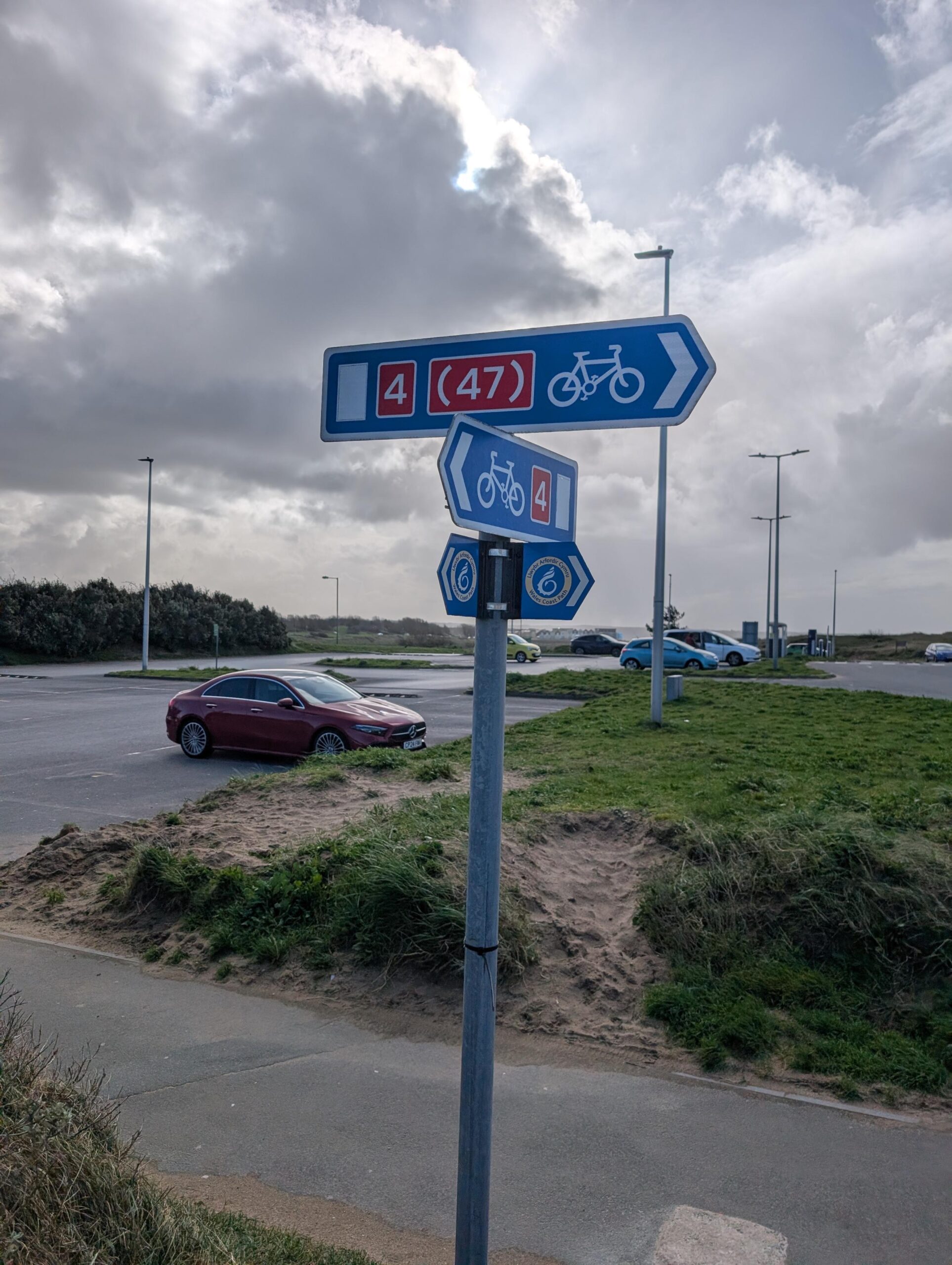
Shared User Pathways (SUPs) are becoming more popular as councils encourage walking and cycling under the Active Travel (Wales) Act 2013. This project looks at what this increase means for everyday life in Welsh coastal communities. We spend time with local people, listening to their stories to understand the difficulties that might stop them from using these paths. By sharing short real-life examples and learning from local organisations, the research highlights voices that are often overlooked. The aim is to bring these experiences into open community conversations and help make these shared spaces safer, fairer, and more welcoming.
PROJECT LEADs
Matt Howell
Swansea University
Tom Avery
Swansea University
Location:
Llanelli, Wales
Project duration:
1 Feb 2026 – 31 October 2026
Project Partners












Project Funders


The Challenge
As more people use coastal pathways, an important challenge remains: understanding who is still missing from these areas and why. Many coastal communities live close to these paths yet do not, or cannot, use them. Their reasons often go unnoticed, even though access to nature is strongly linked to better health, reduced deprivation, and stronger community wellbeing. This makes it vital to hear from those who feel excluded.
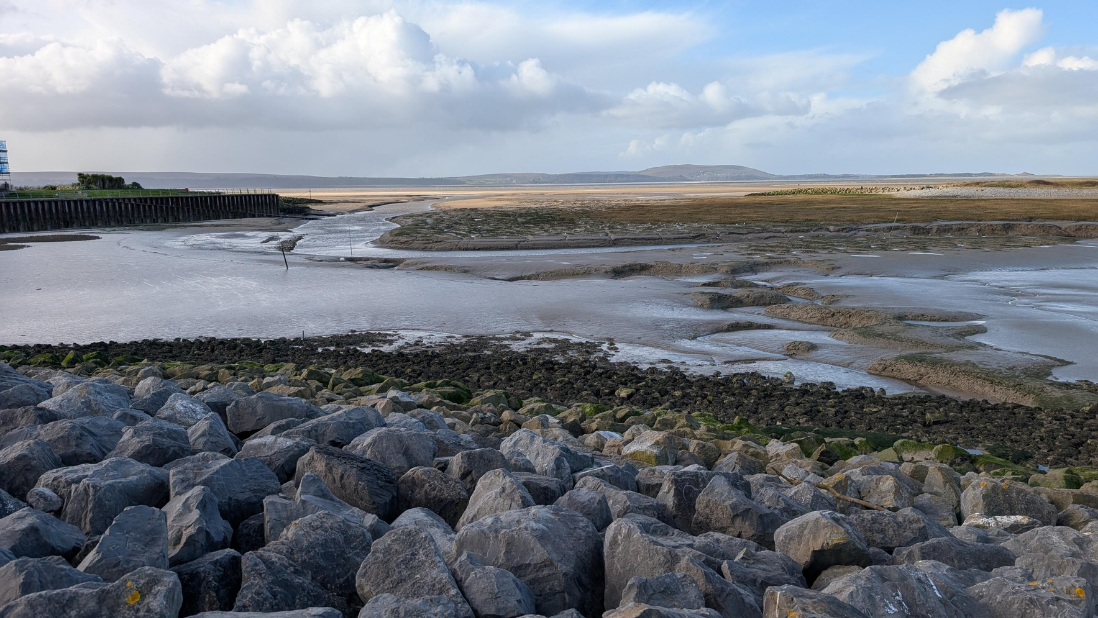
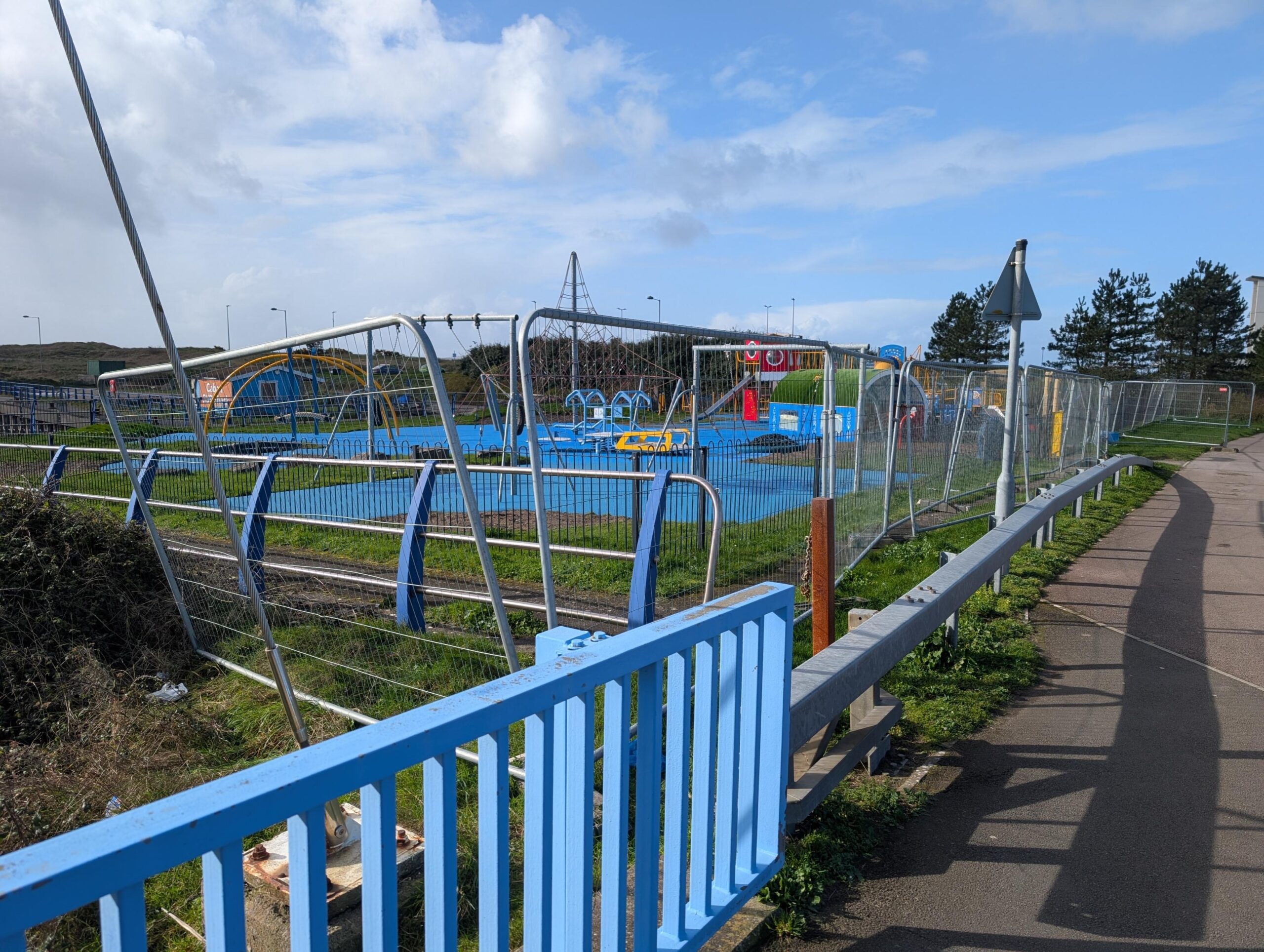
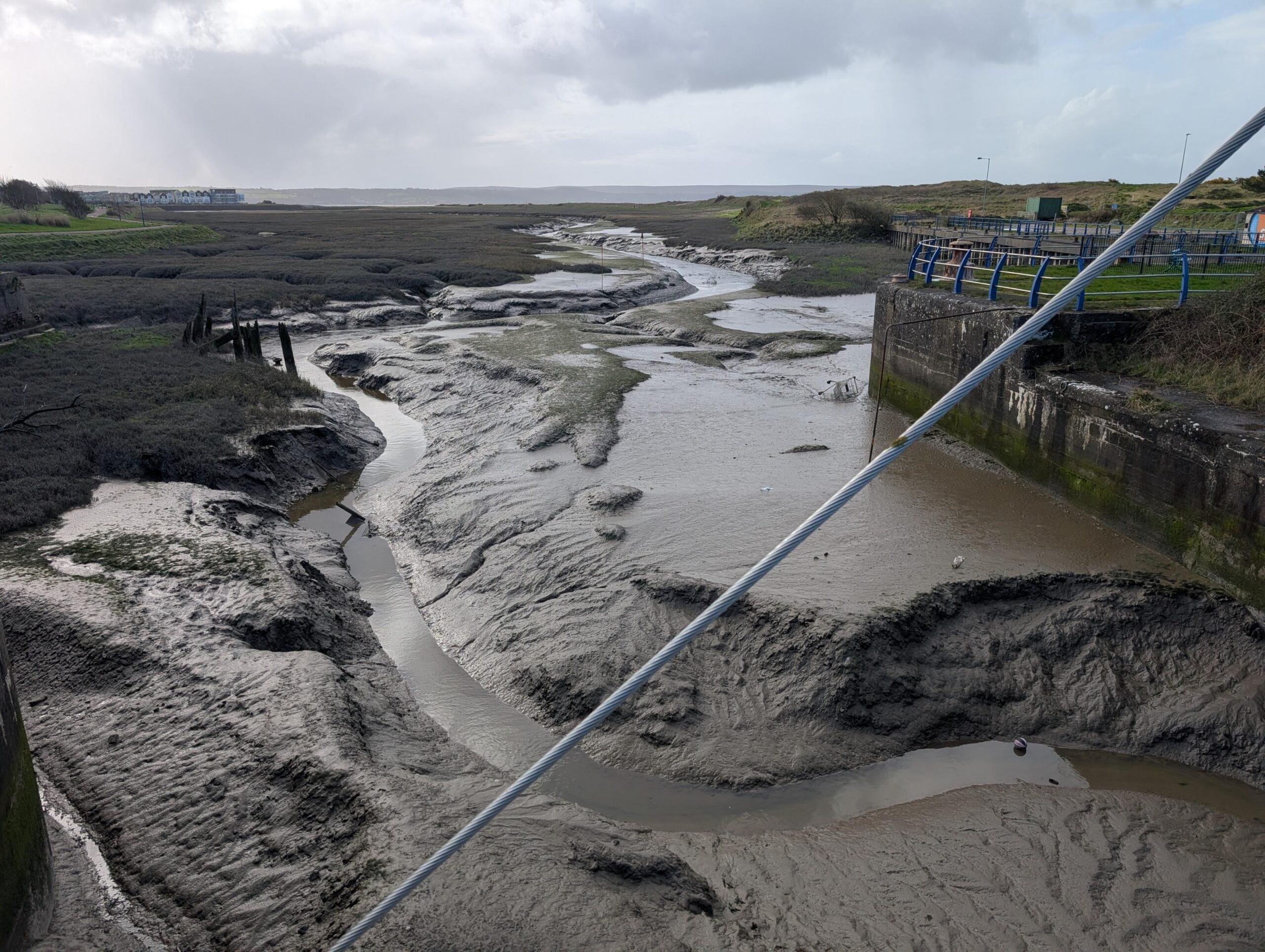
Llanelli offers a strong example of this issue. The town includes some of the most deprived neighbourhoods in Wales, yet it has also received major investment in coastal leisure facilities along the pathway. Although these places sit within a mile of deprived communities and are linked by Shared User Pathways, it is unclear whether local residents are actually able to access and benefit from them. Questions also remain about how inclusive and welcoming these spaces feel for different groups.
This project aims to identify the people who are not engaging with these routes and to understand their everyday experiences. By bringing their ideas, concerns, and voices into open community conversations, we hope to develop a more inclusive approach to coastal access.
Our Approach
Our approach is designed to make sure that community voices guide the direction of the research from the very beginning. We use inductive and co‑creative methods, meaning we start by listening to people’s experiences and build the project around what they tell us, rather than imposing any assumptions in advance.
1. Understanding Everyday Barriers (Phase 1)
We begin by spending time in the community and speaking directly with people who use, or avoid using, these paths and coastal areas. Using participatory ethnographic methods – informal conversations, observations, and time spent in local spaces – we aim to hear from voices that are often overlooked, including those who feel marginalised or excluded. The themes that emerge from these interactions form the foundation of the next stages.
2. Working with Community Stakeholder Organisations (Phase 2)
We then share these early themes with local groups and organisations who work closely with the community. Their insights help us identify where and why people may be excluded from these spaces. This stage deepens our understanding and ensures we capture a wide range of perspectives, especially from those who may not feel confident speaking in public forums.
3. Live Community Survey (Phase 3)
Next, we launch a short online survey shared through local social media groups. This allows the wider Llanelli community to reflect on the themes raised so far. It gives space for people who prefer written or anonymous contributions, further widening participation.
4. Community Dialogue Events
Finally, we bring all these insights together in co‑creative community events. Using interactive tools – such as empathy mapping, asset mapping, and photo‑elicitation – we invite participants to explore the findings, share experiences, and help shape practical ideas for improving access and inclusion. These sessions ensure the final outcomes reflect the community’s own priorities, not external assumptions.